

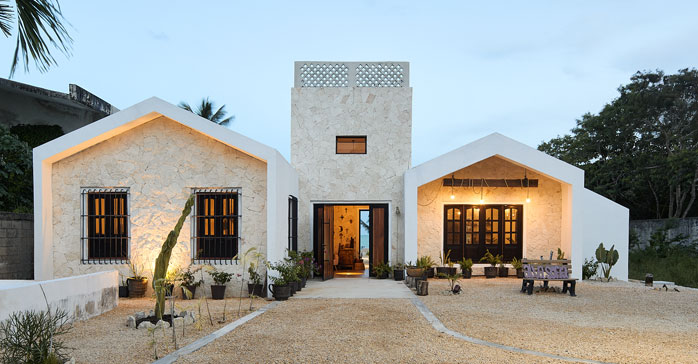
Casal Tzintzuni (Calderitas, Quintana Roo, México) por Rumi Estudio. En Calderitas, Quintana Roo, se levanta Casal Tzintzuni, un proyecto de 300 m2 que retoma principios del metabolismo arquitectónico: estructuras claras, organizadas en módulos que permiten una vida flexible y en constante adaptación.
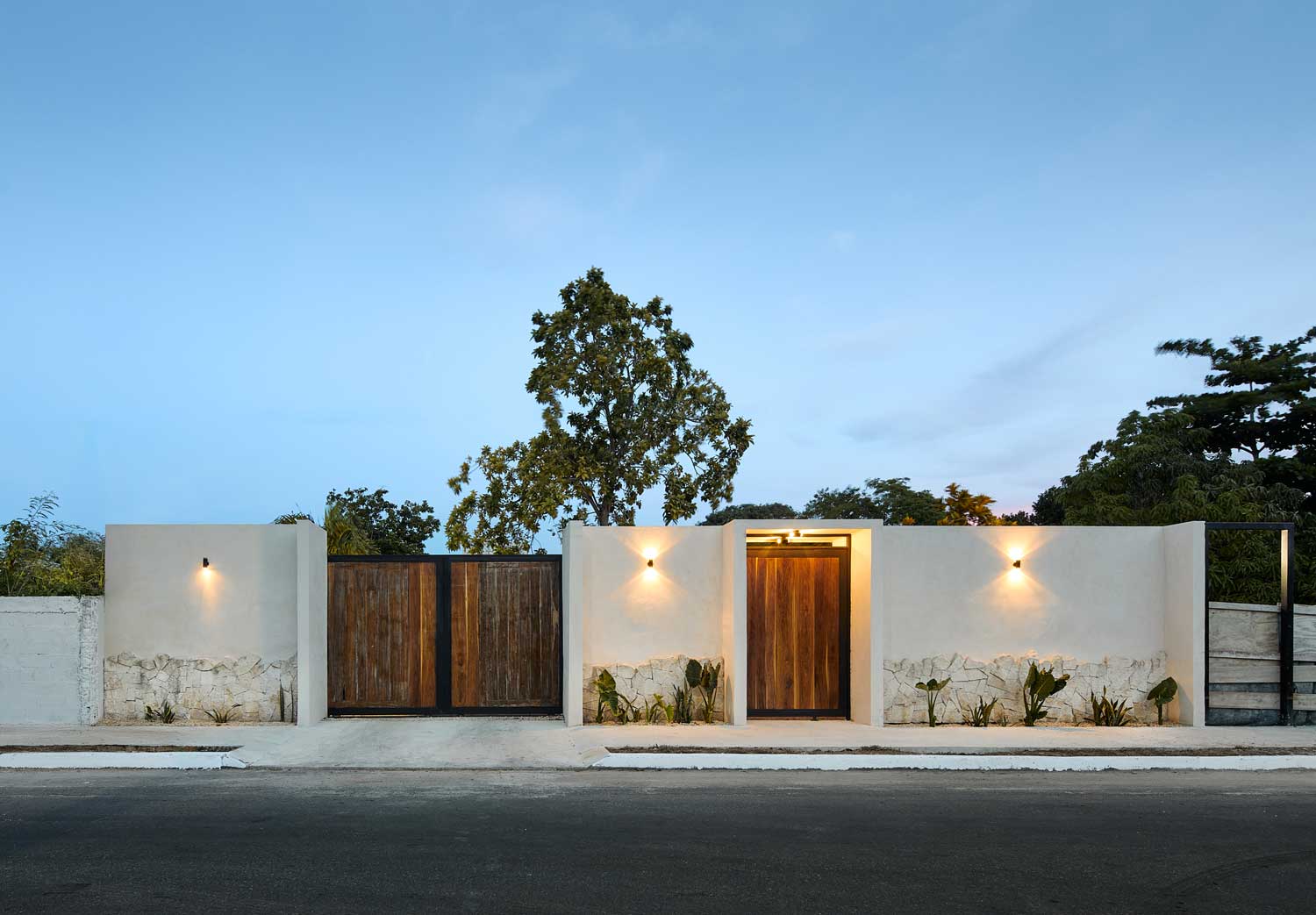
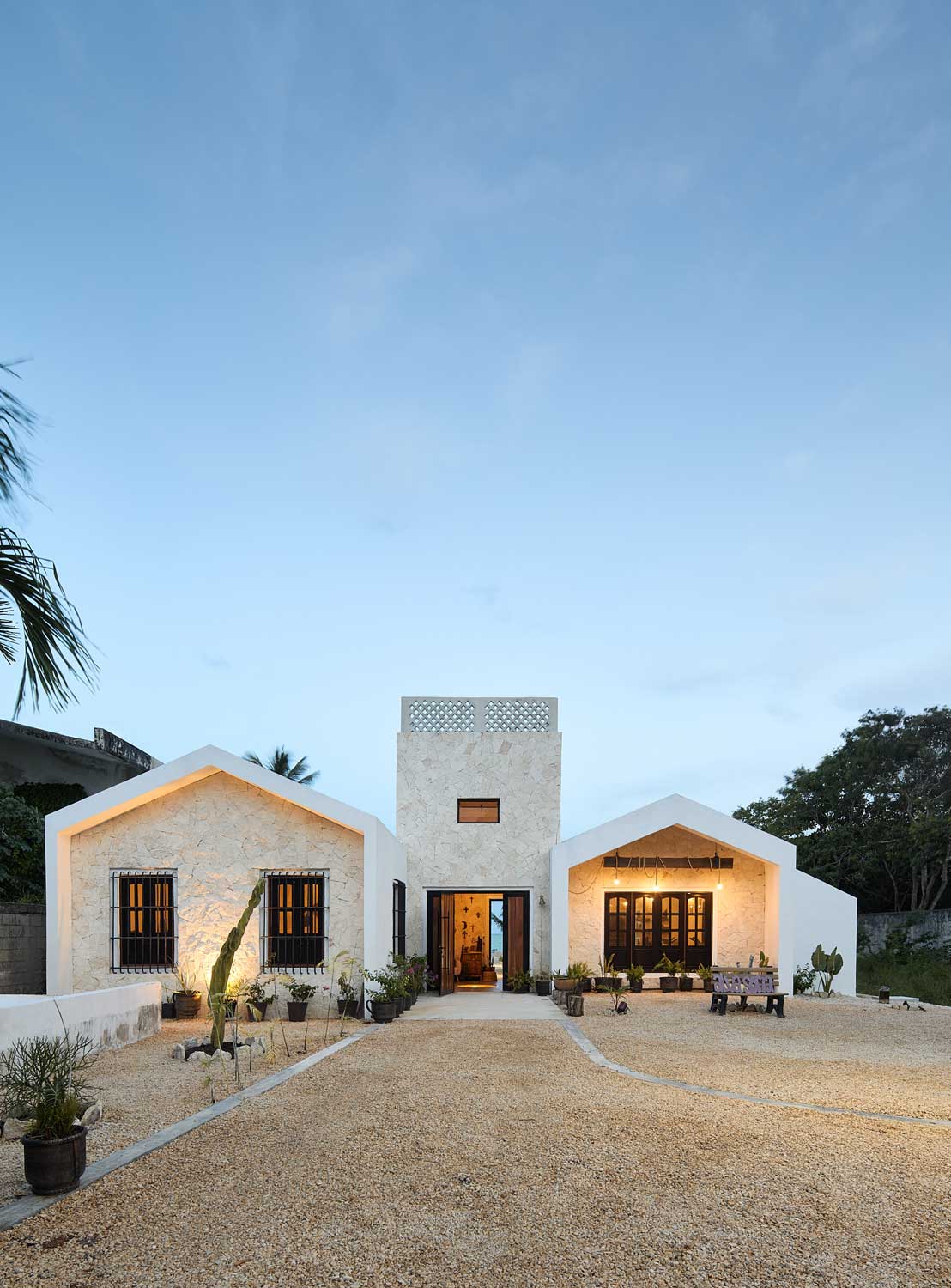
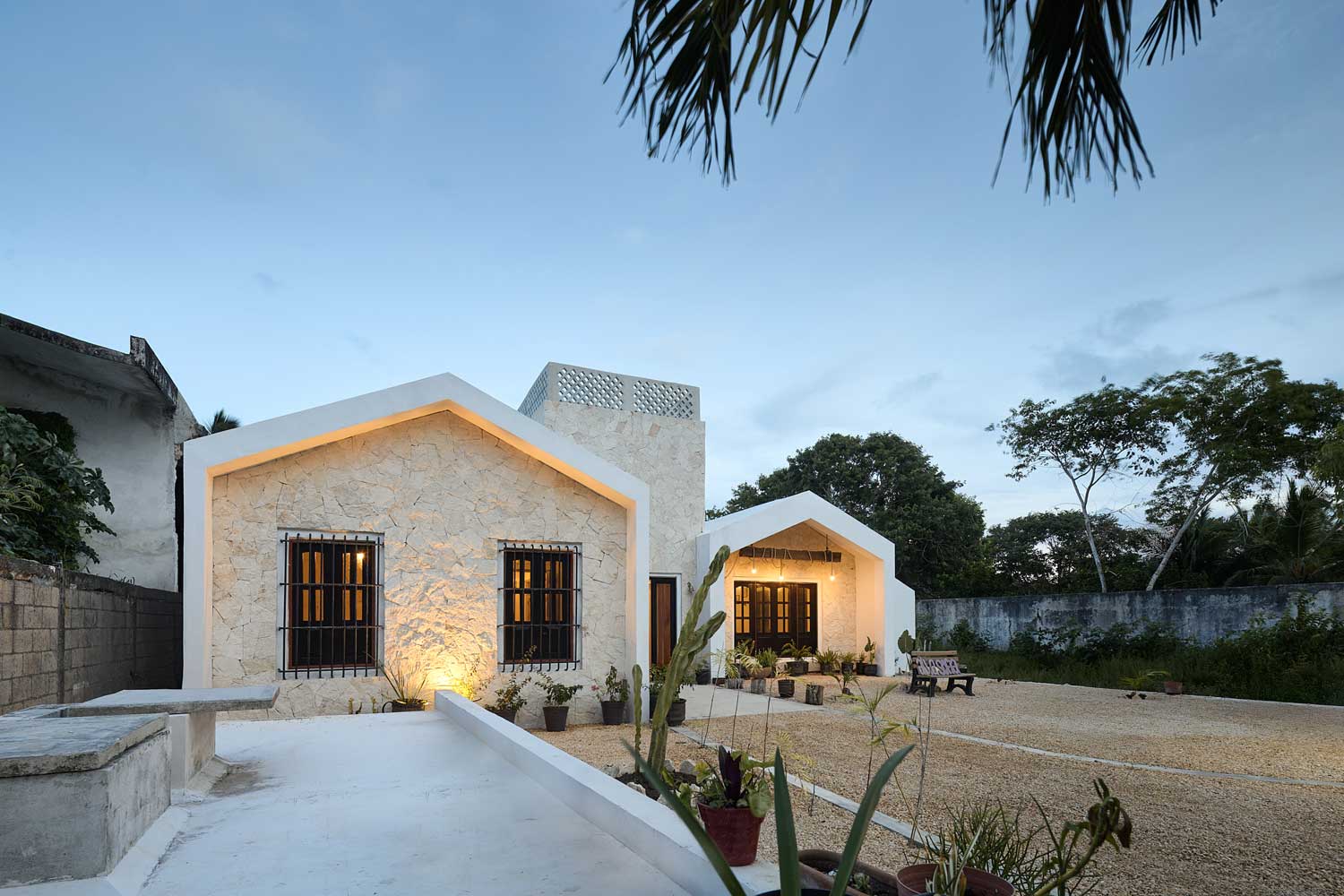
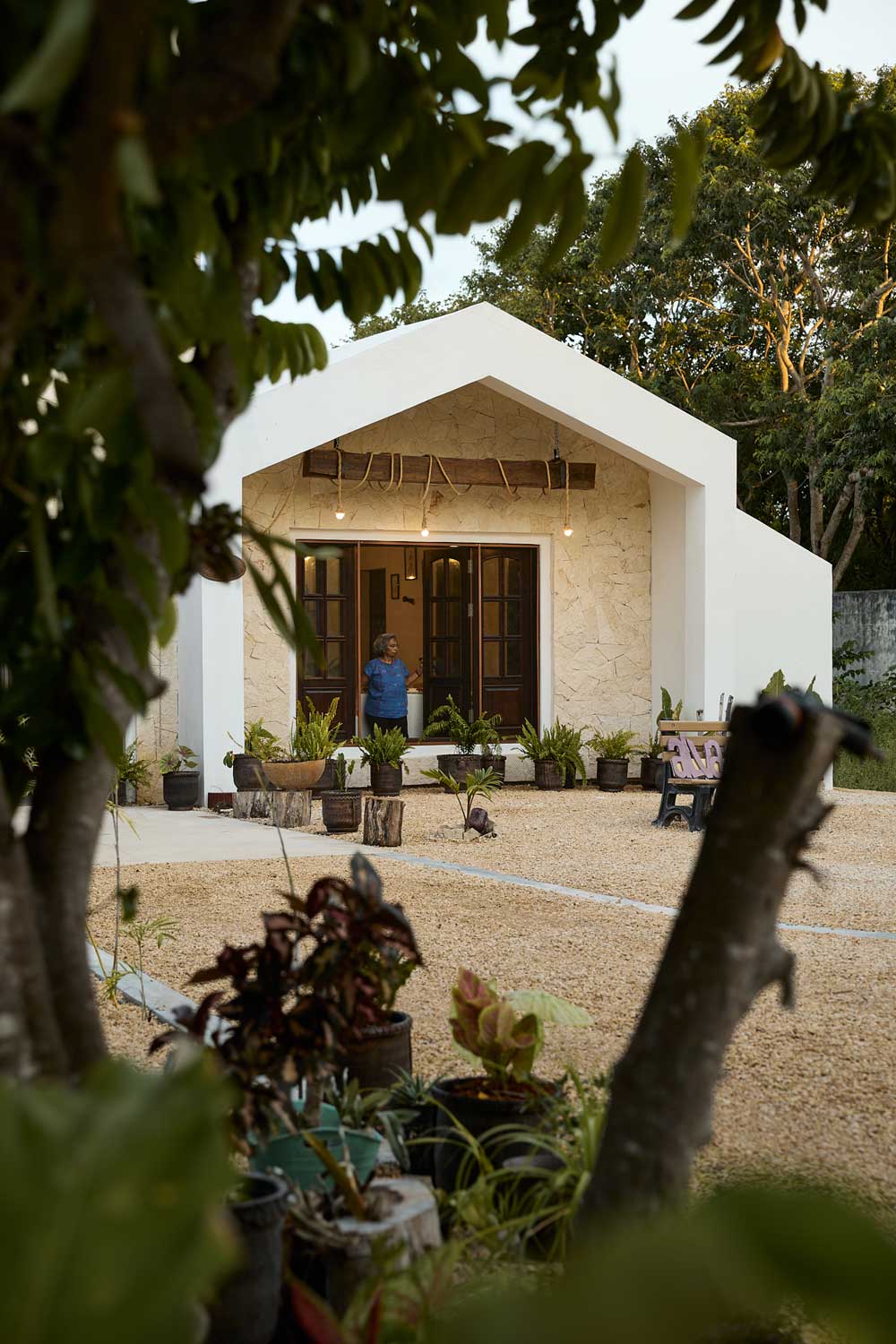
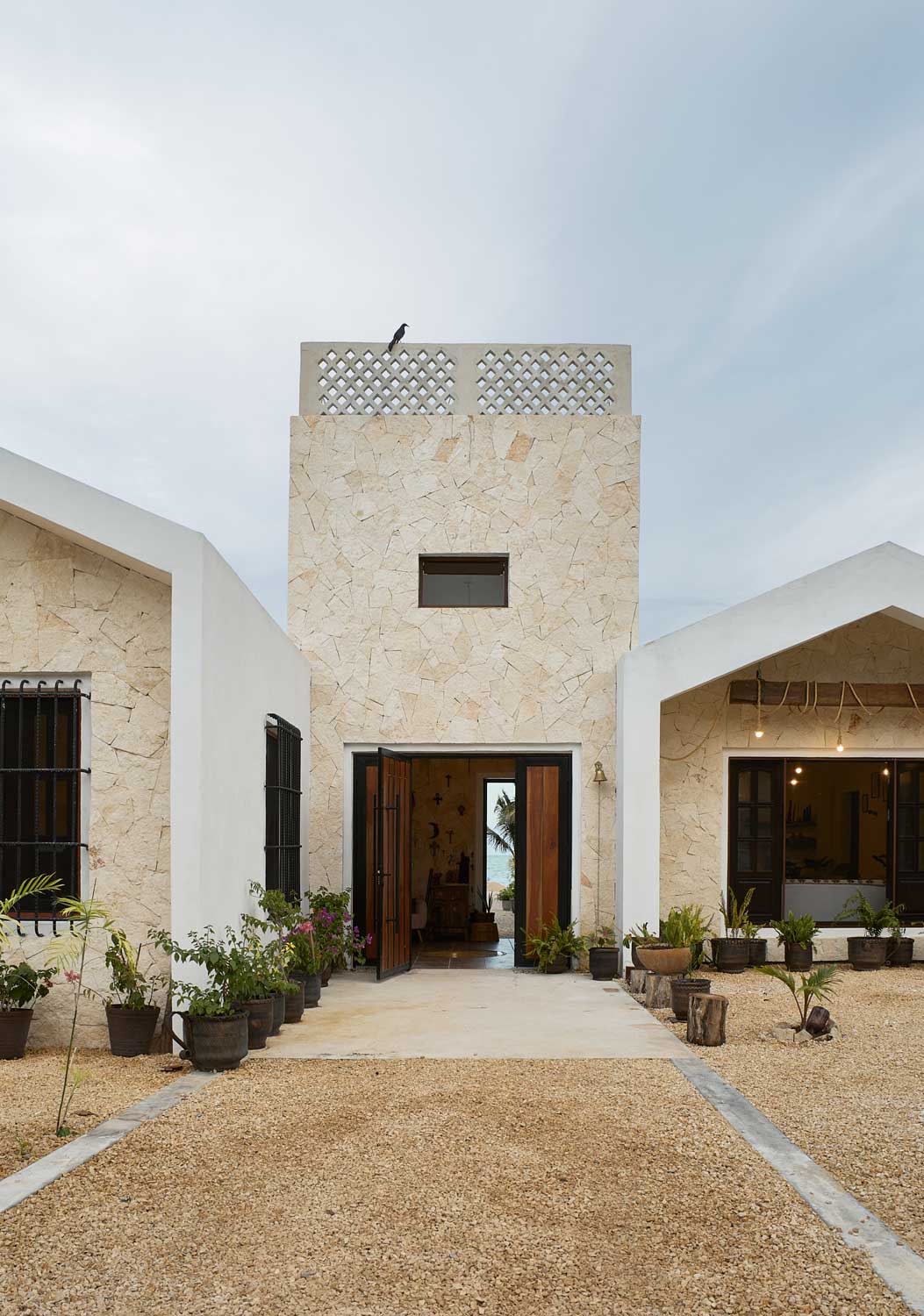
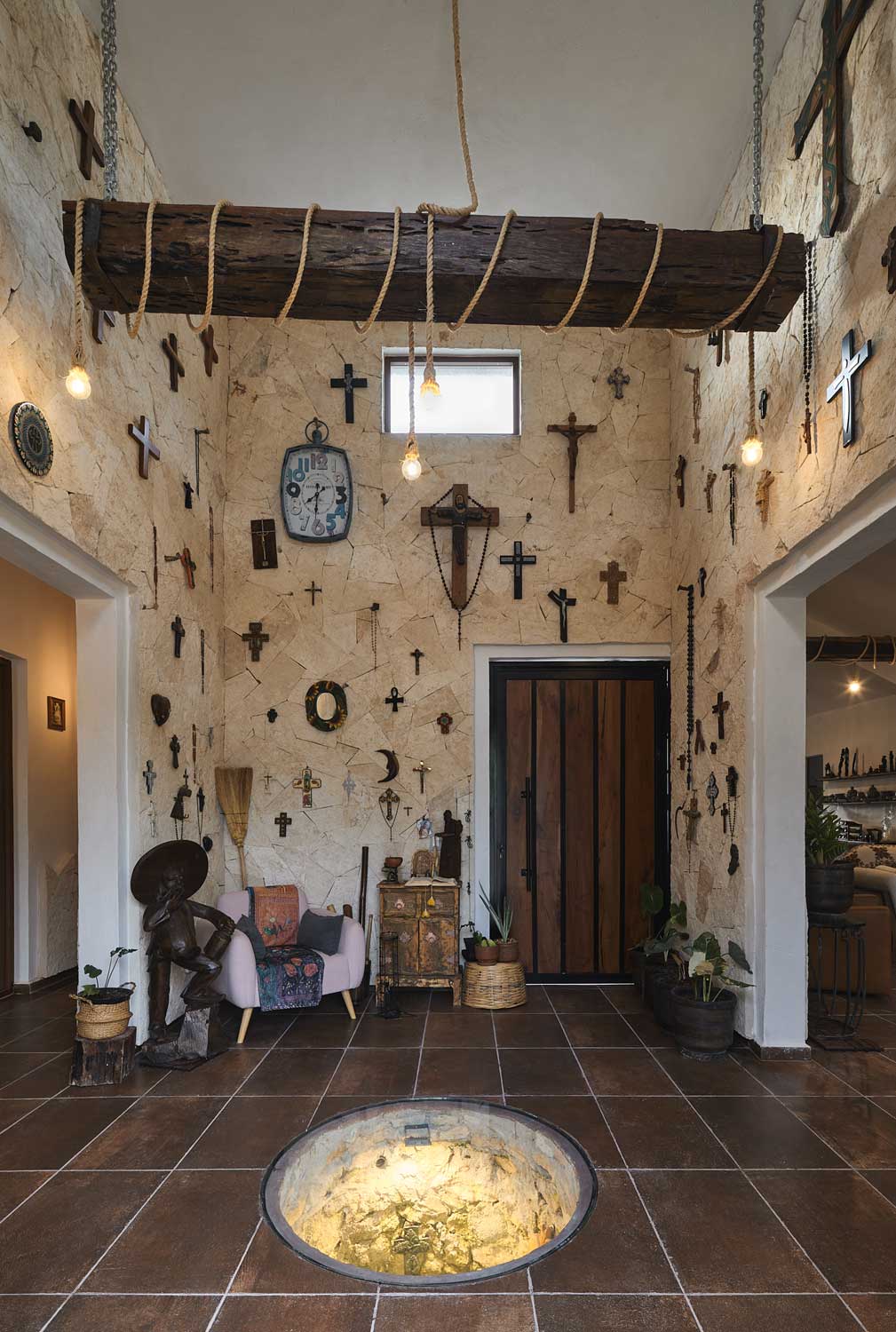
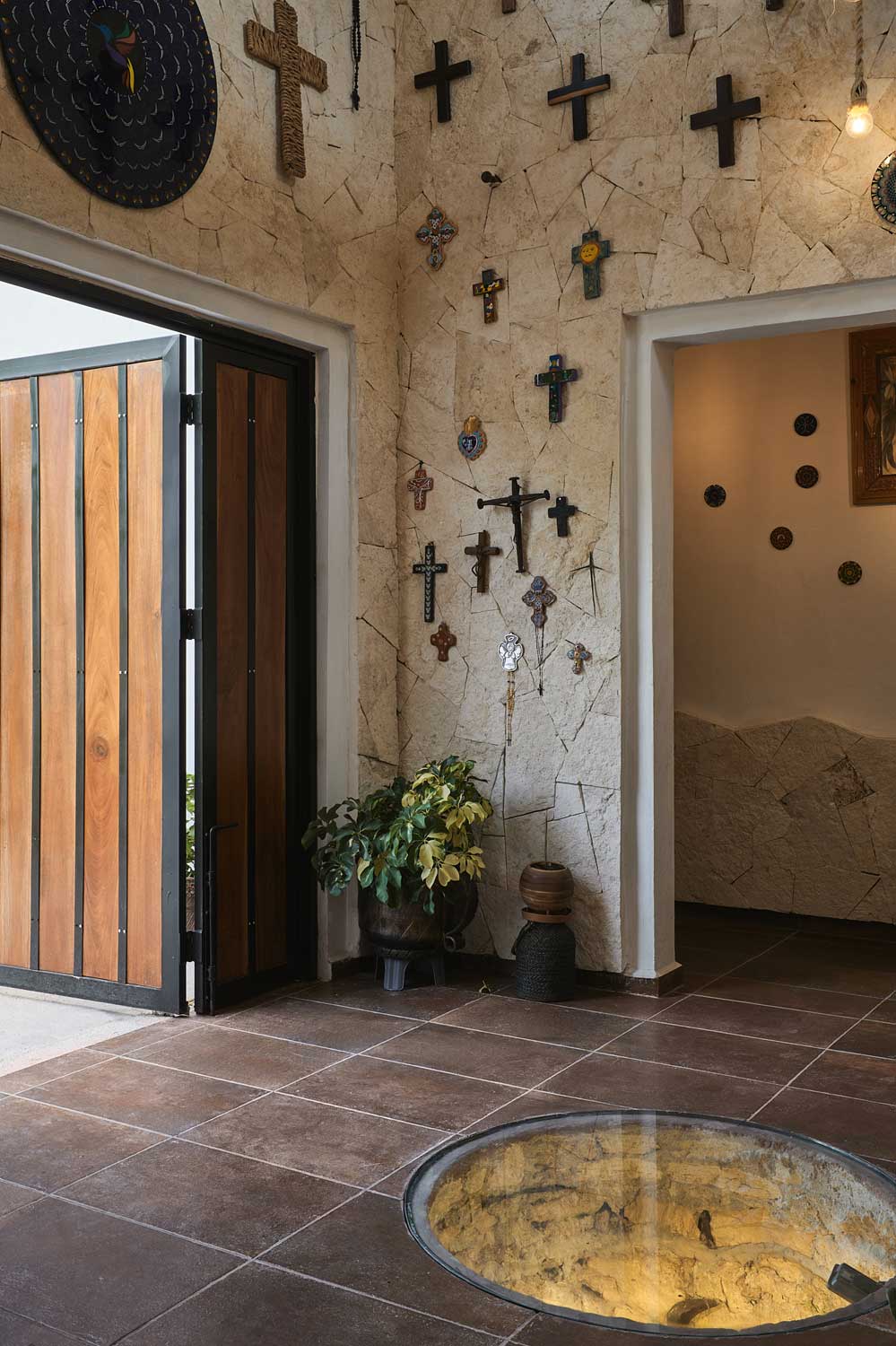
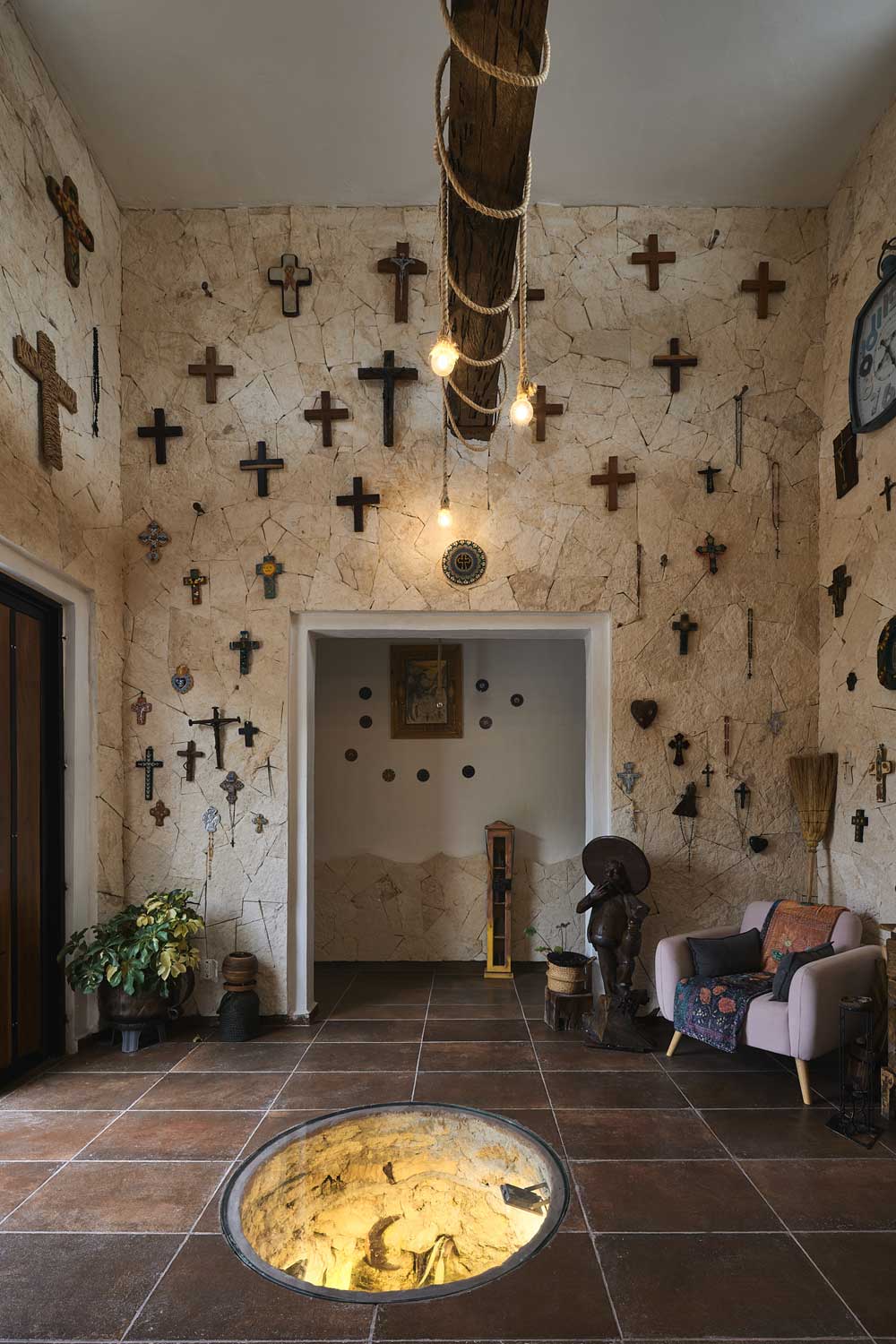
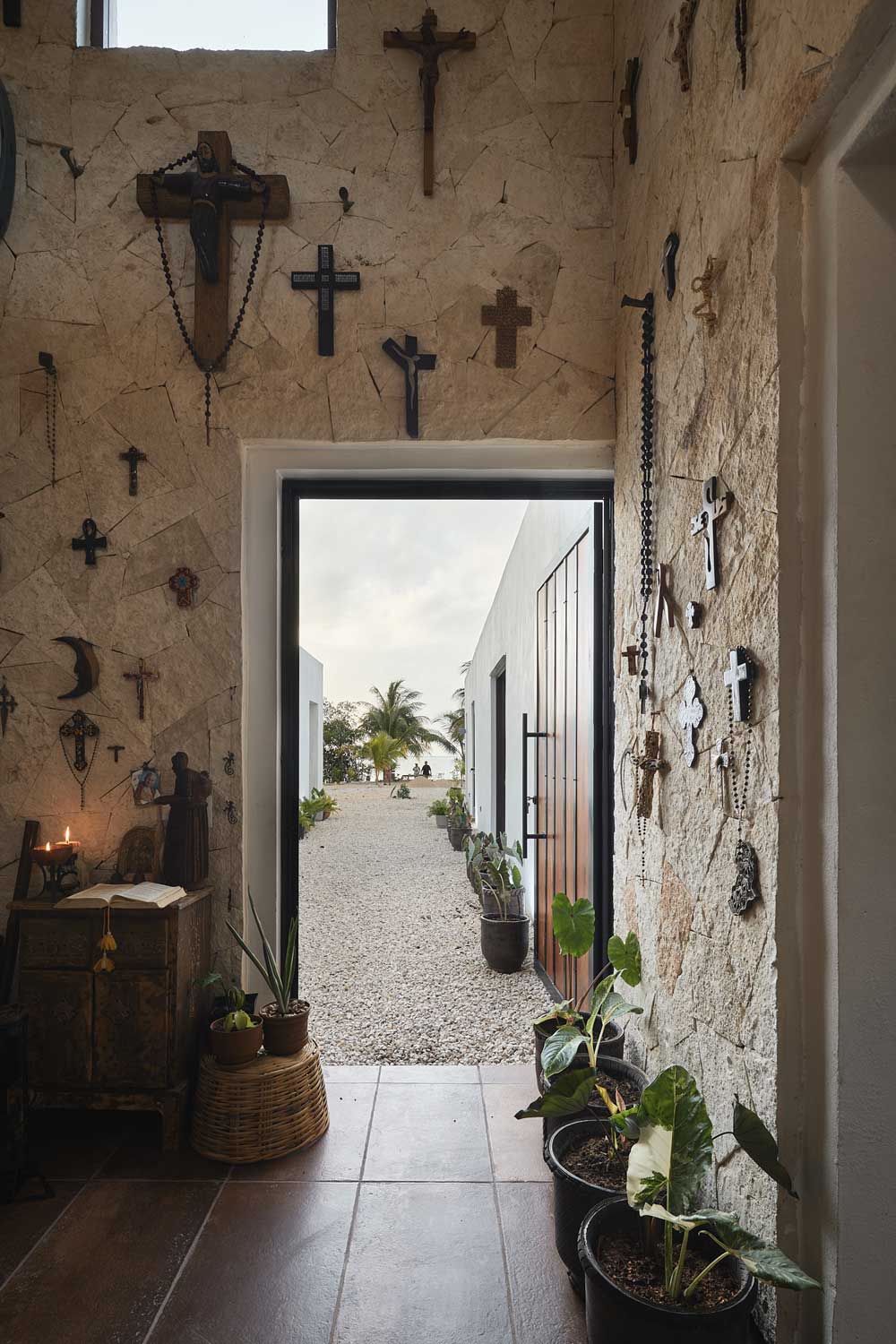
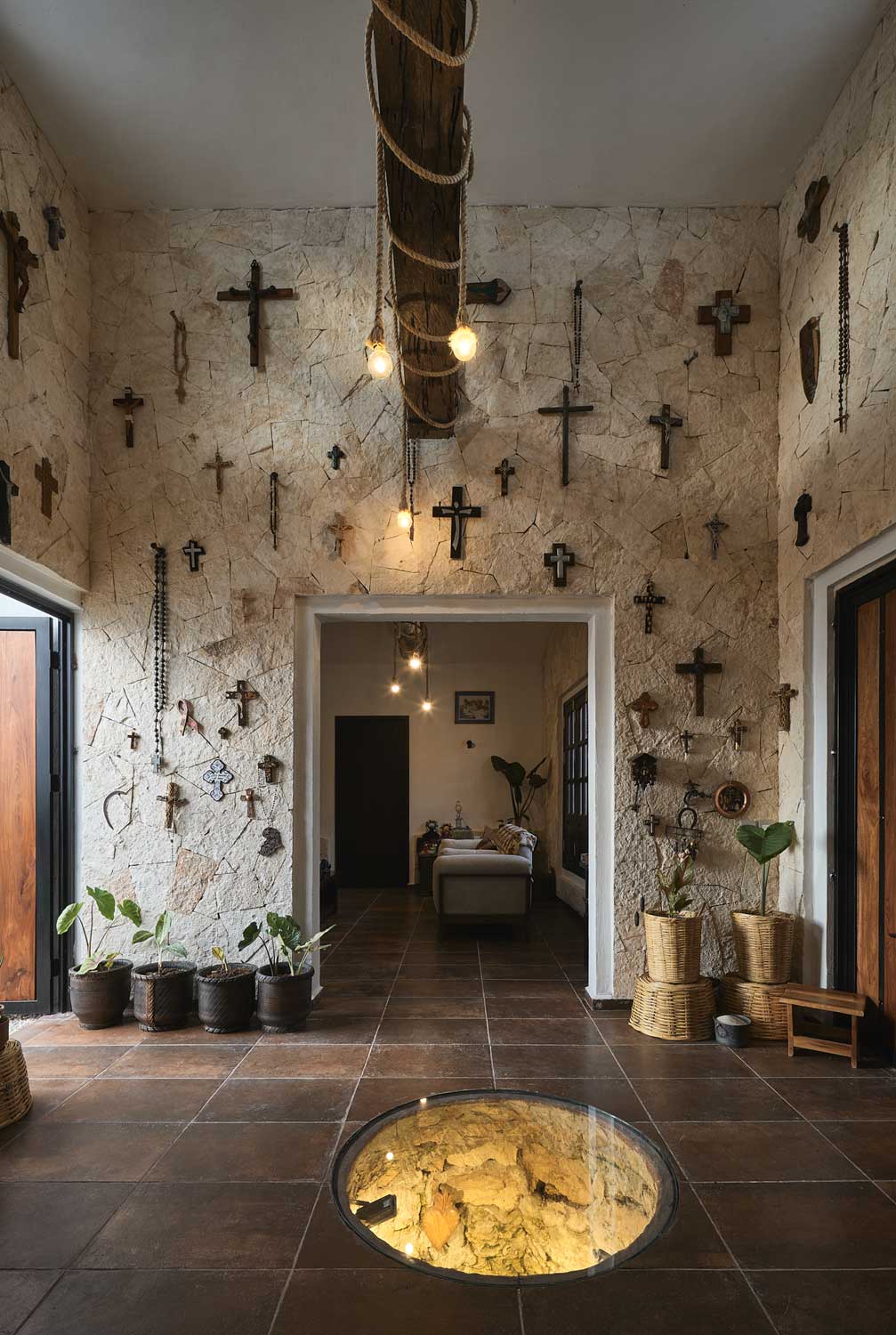
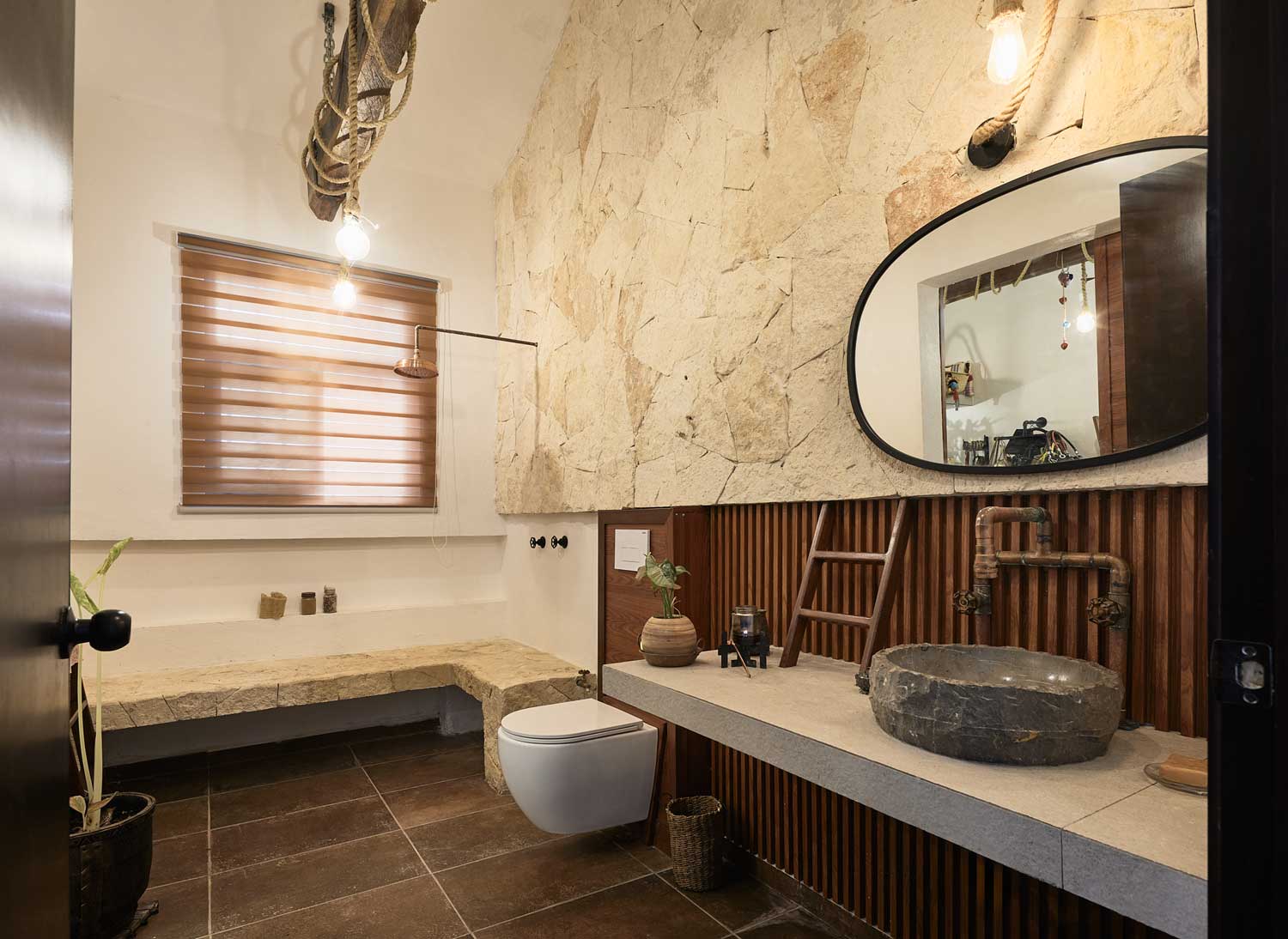
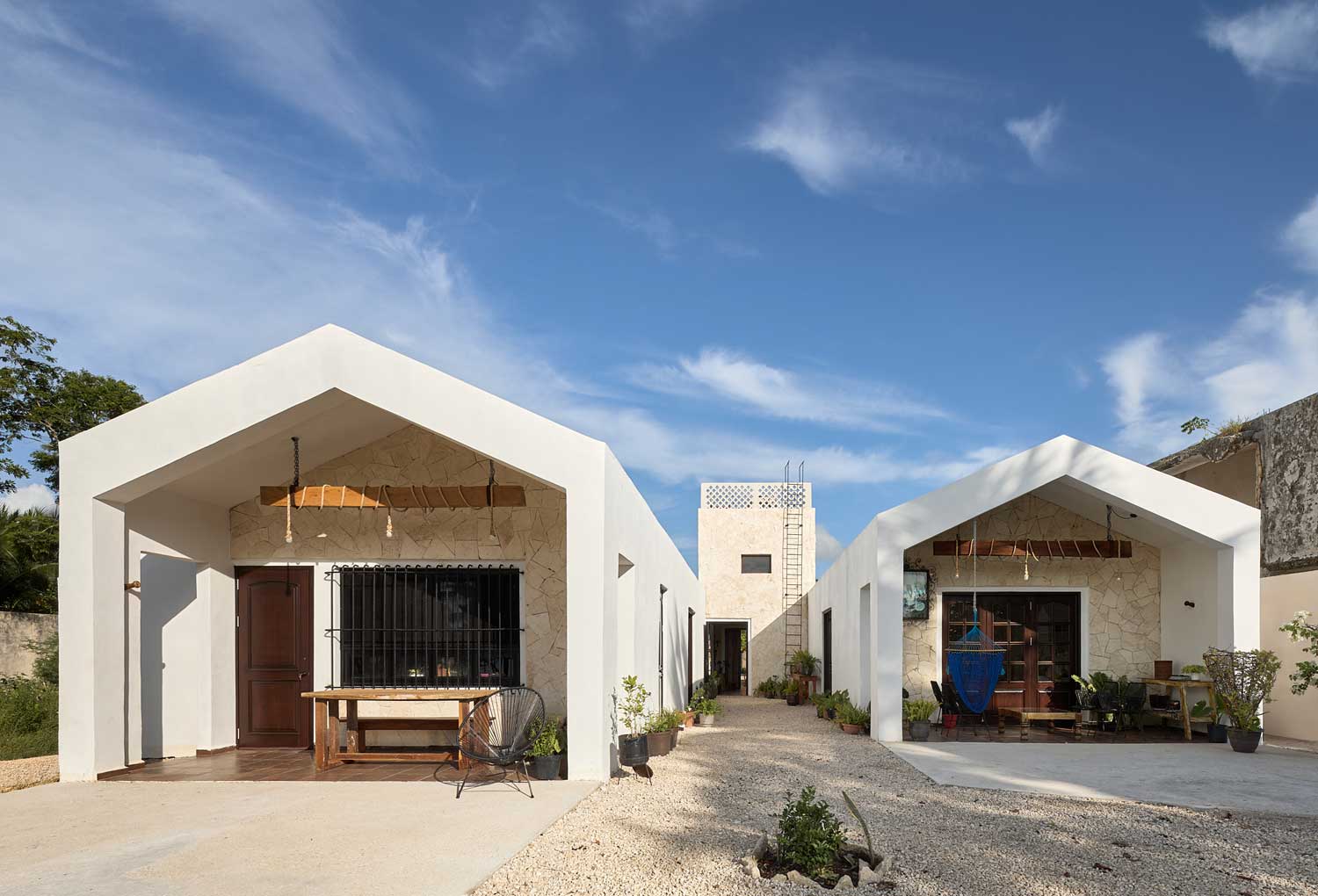
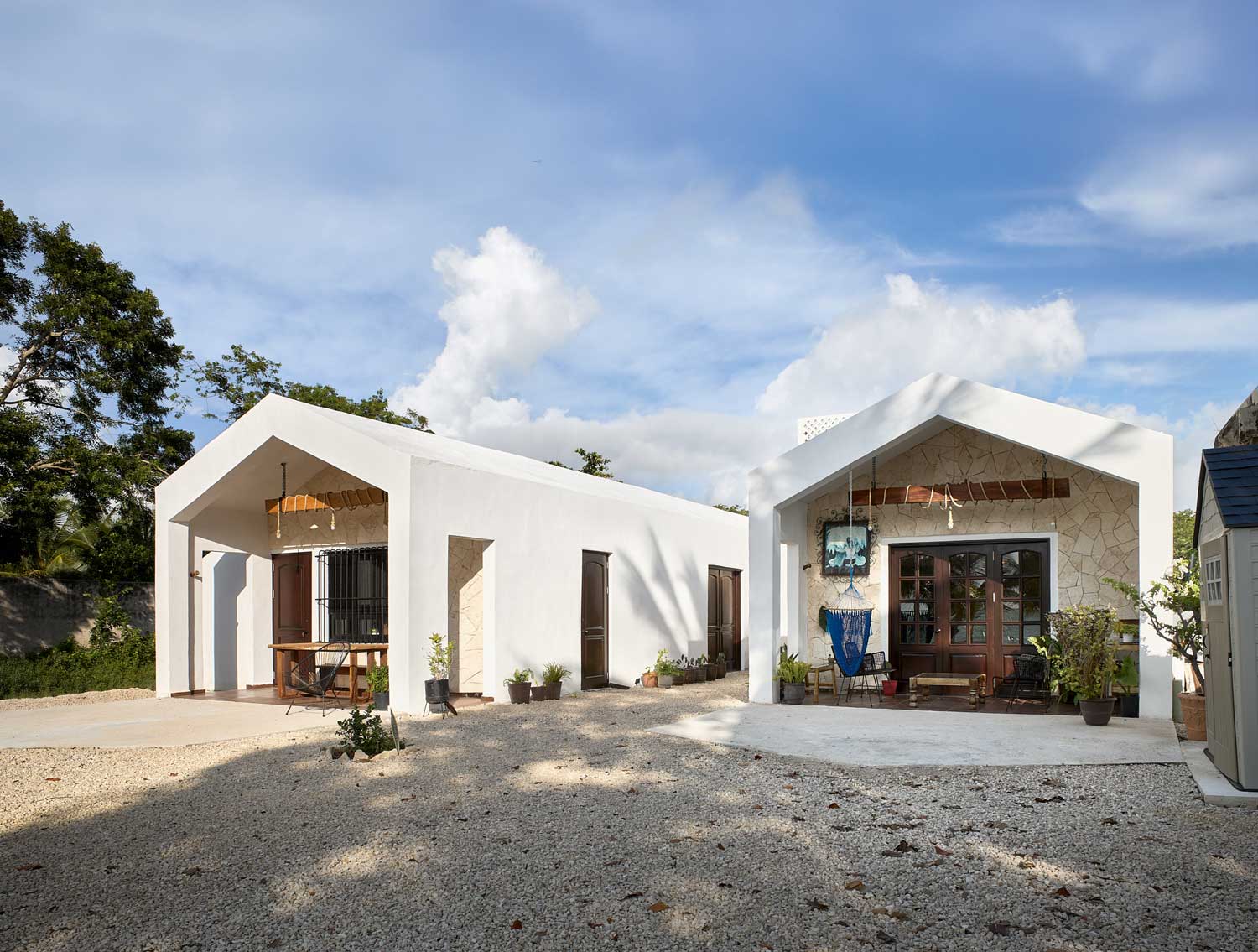
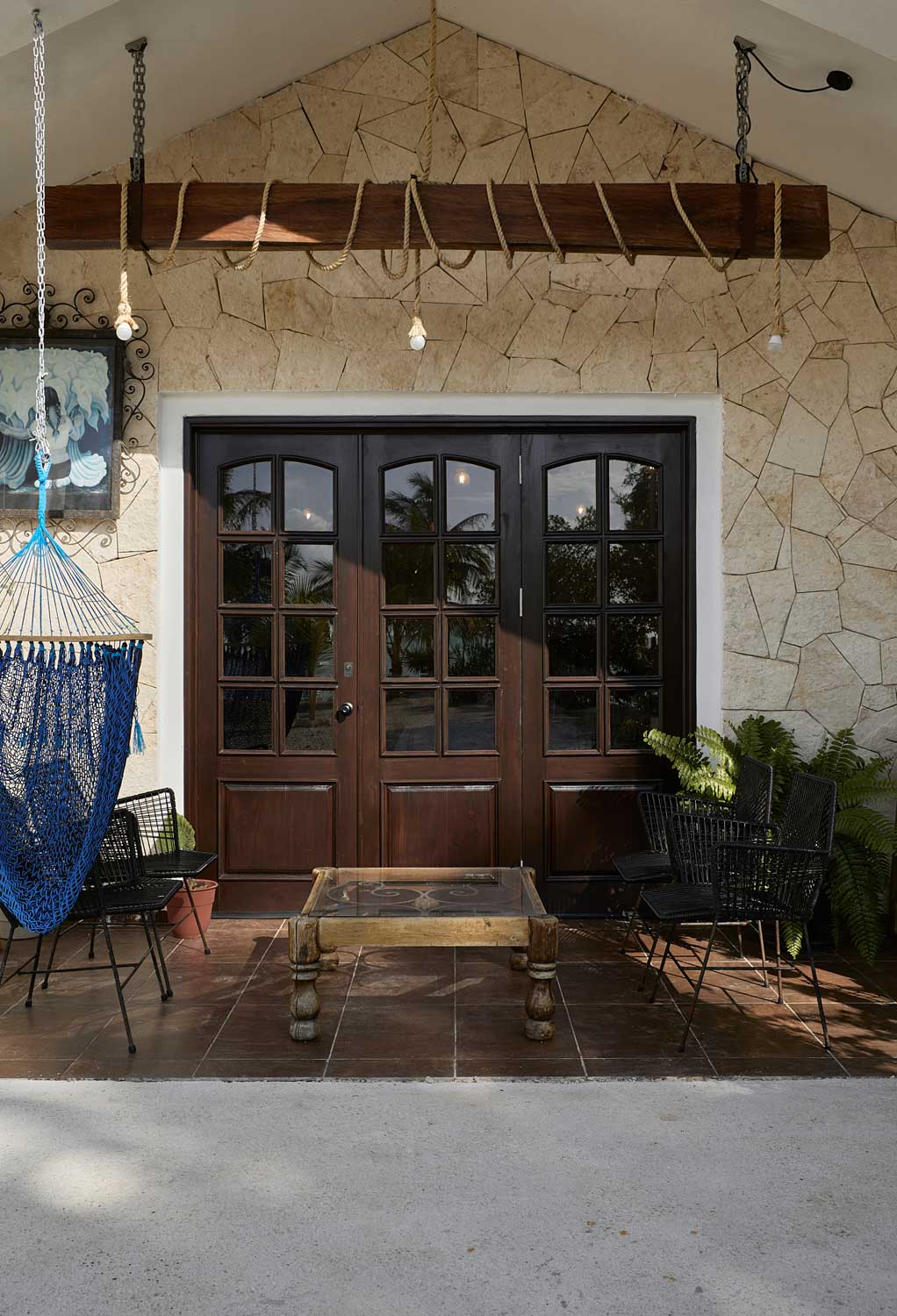
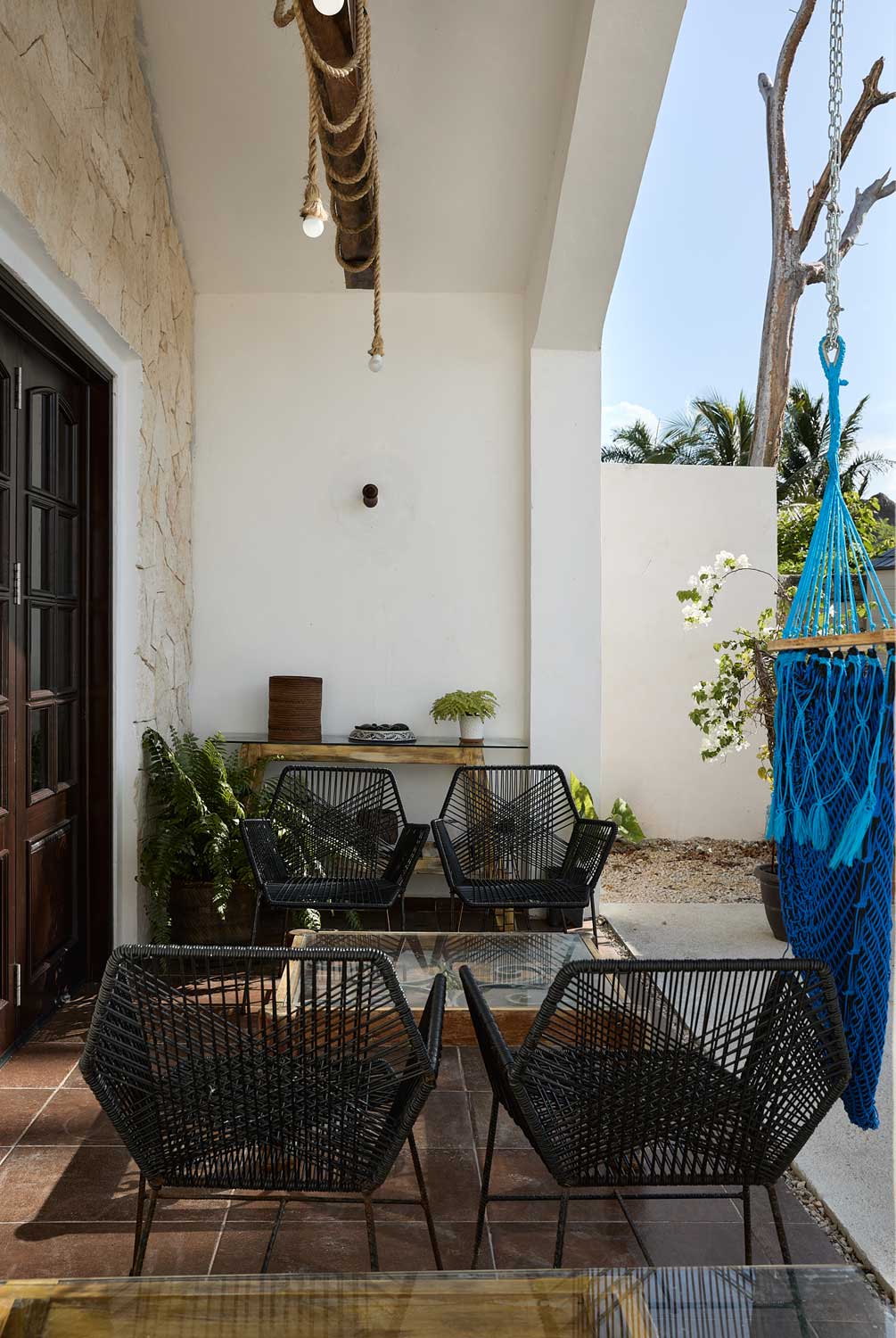
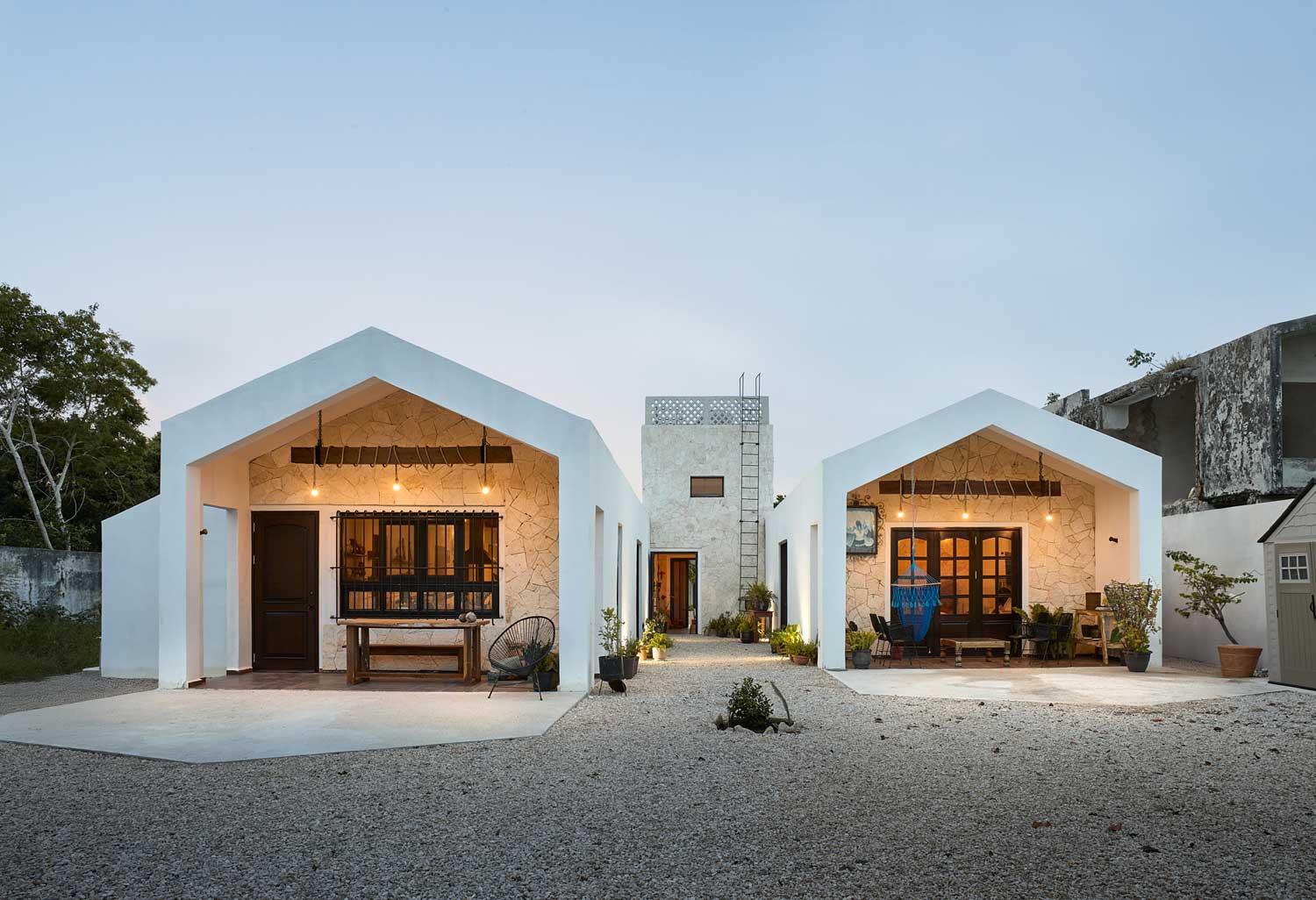
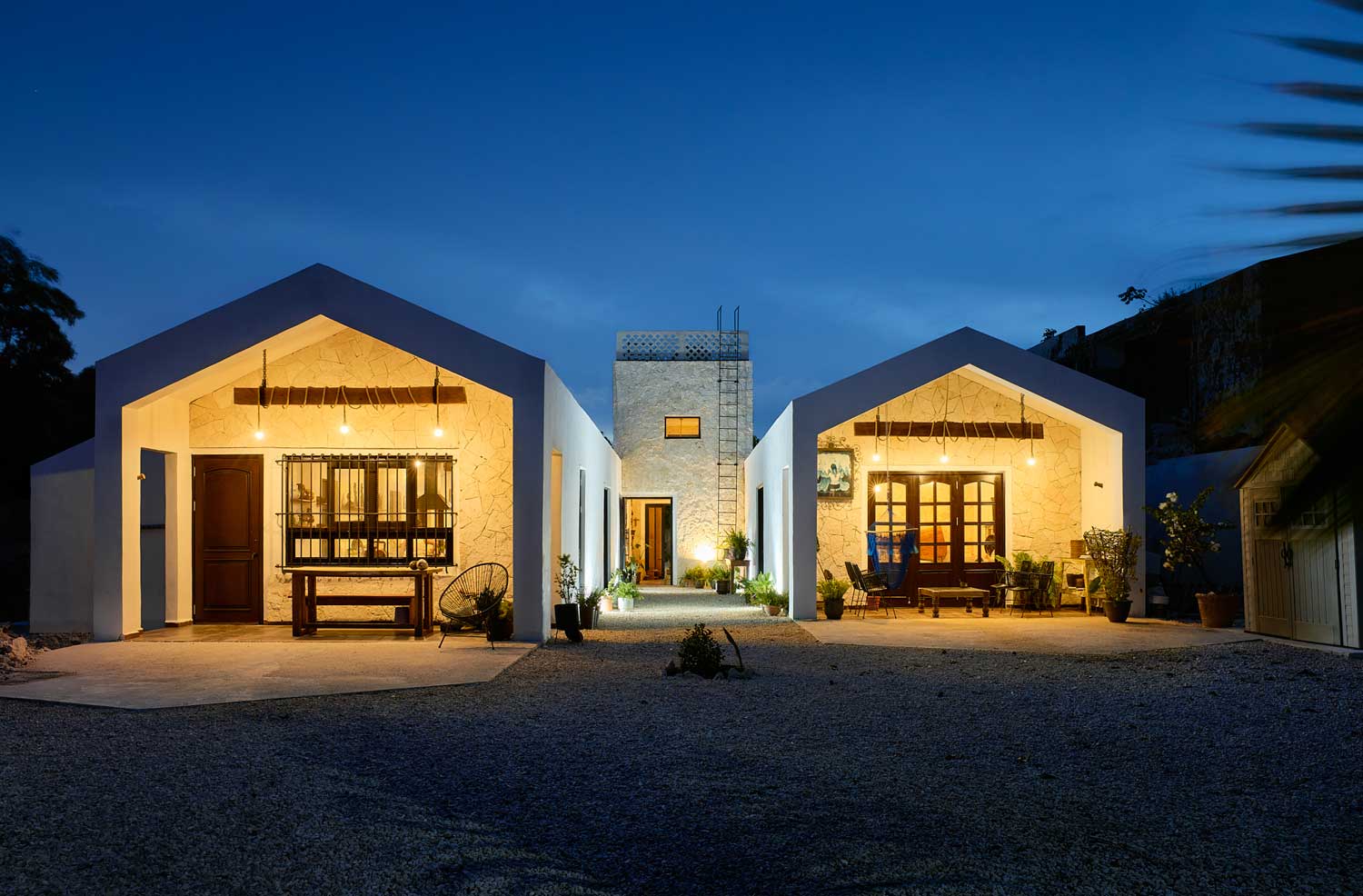
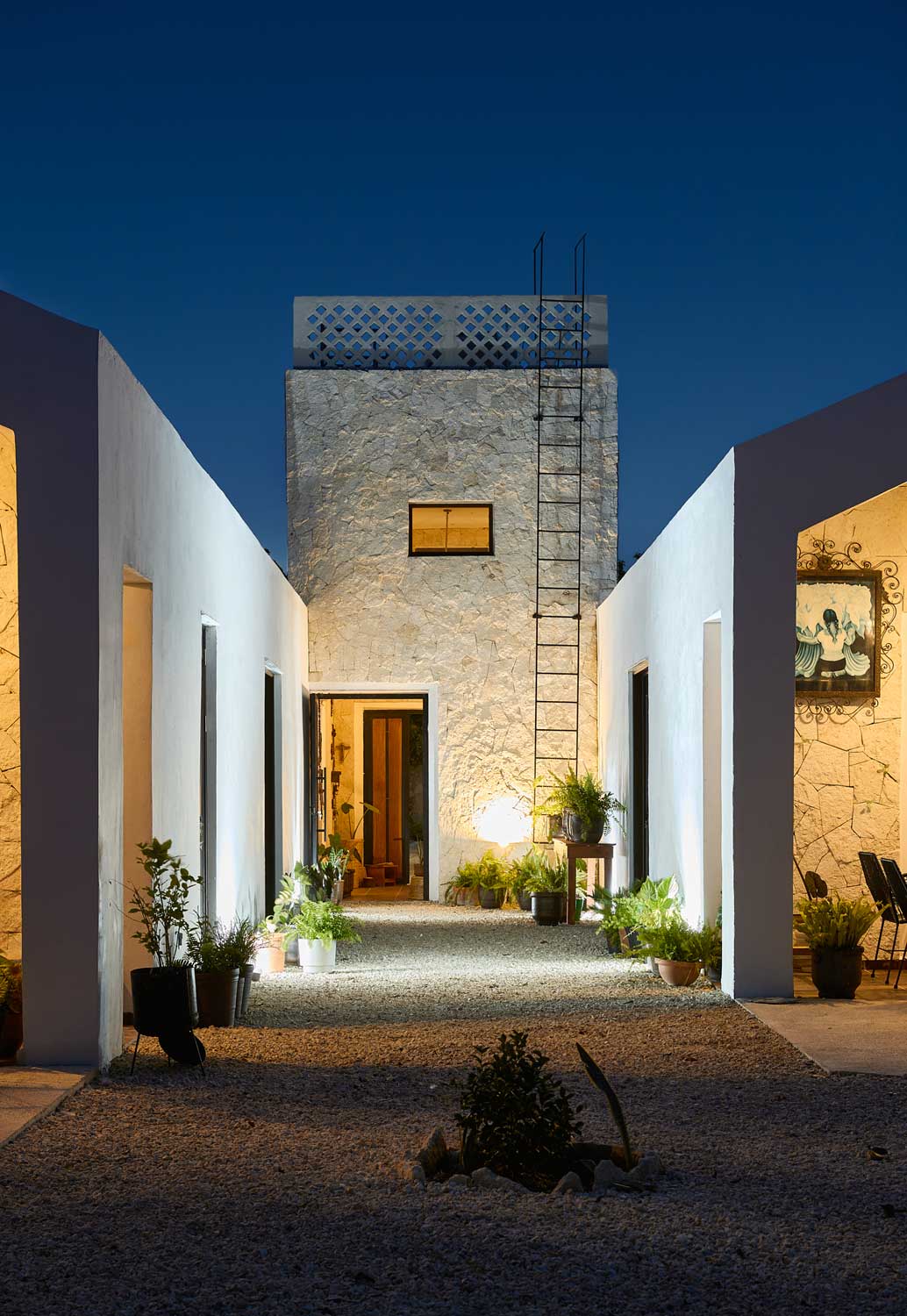
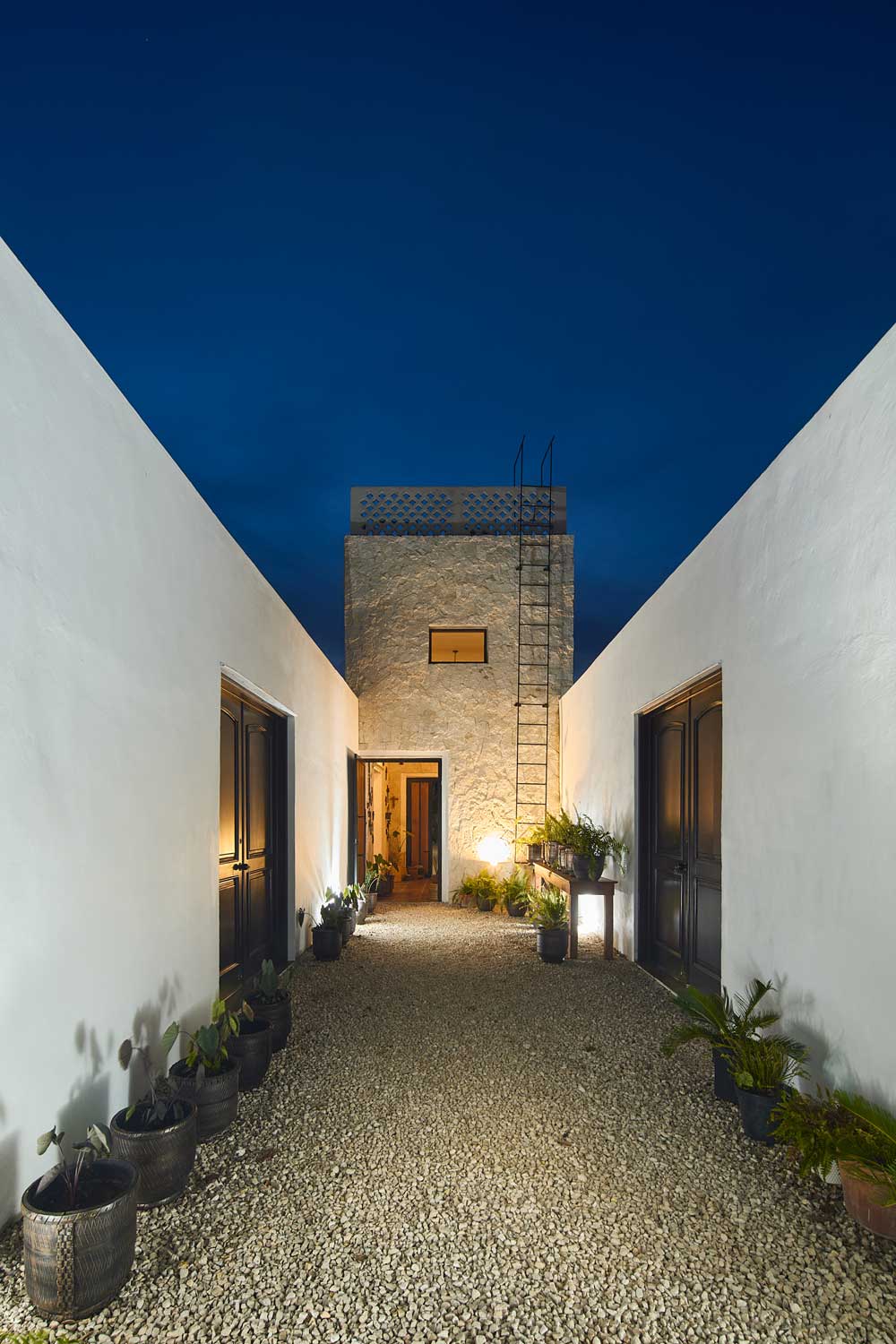
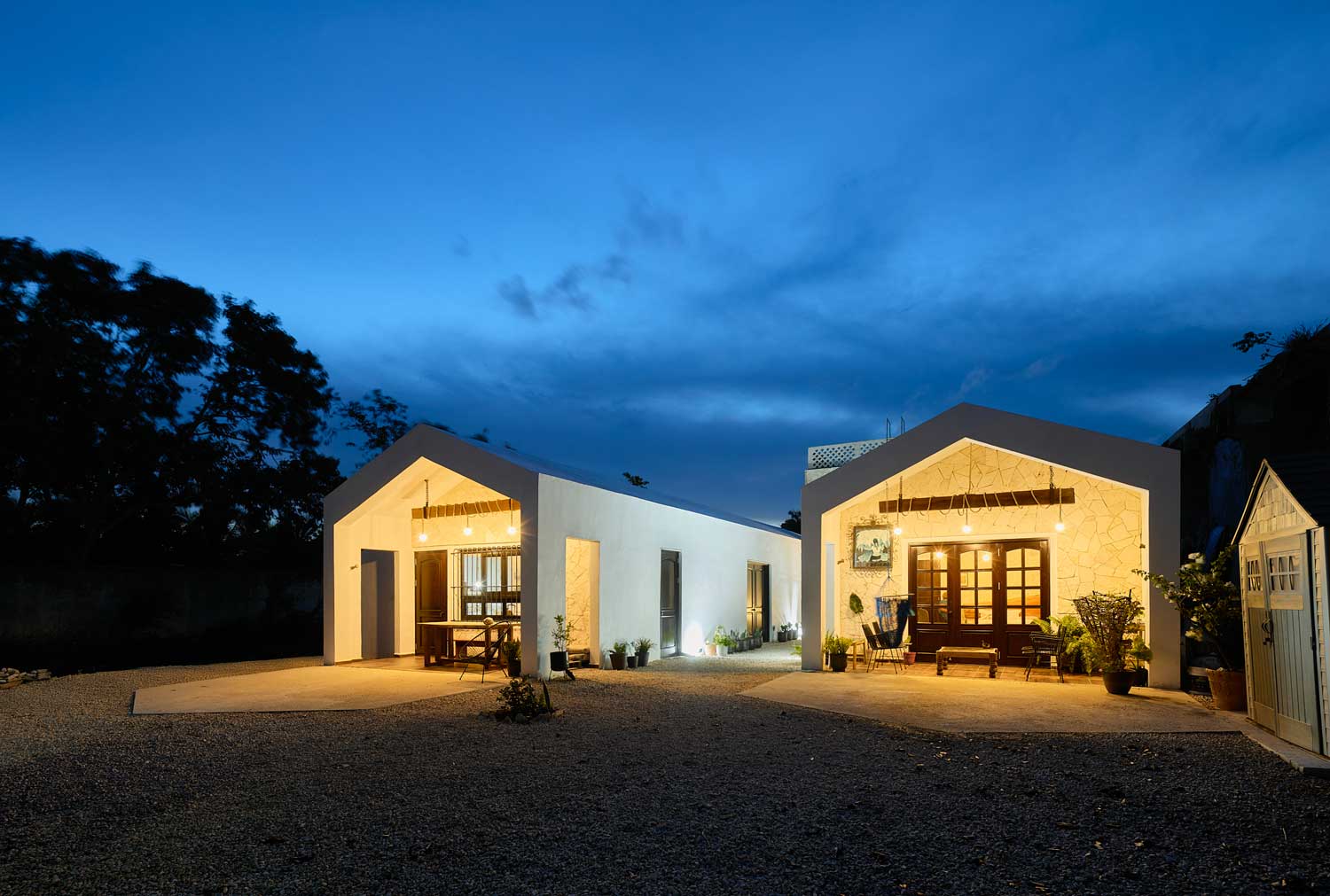
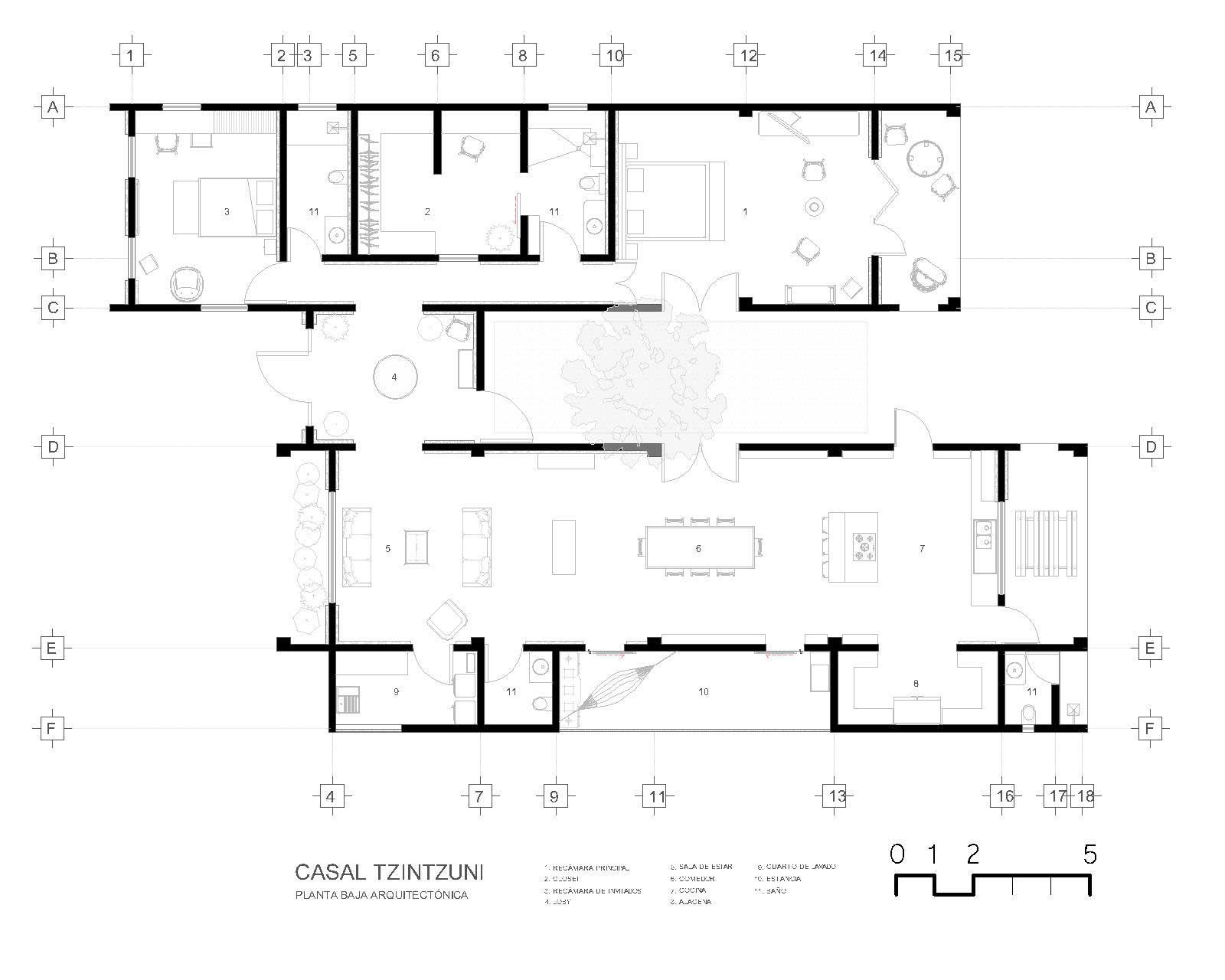
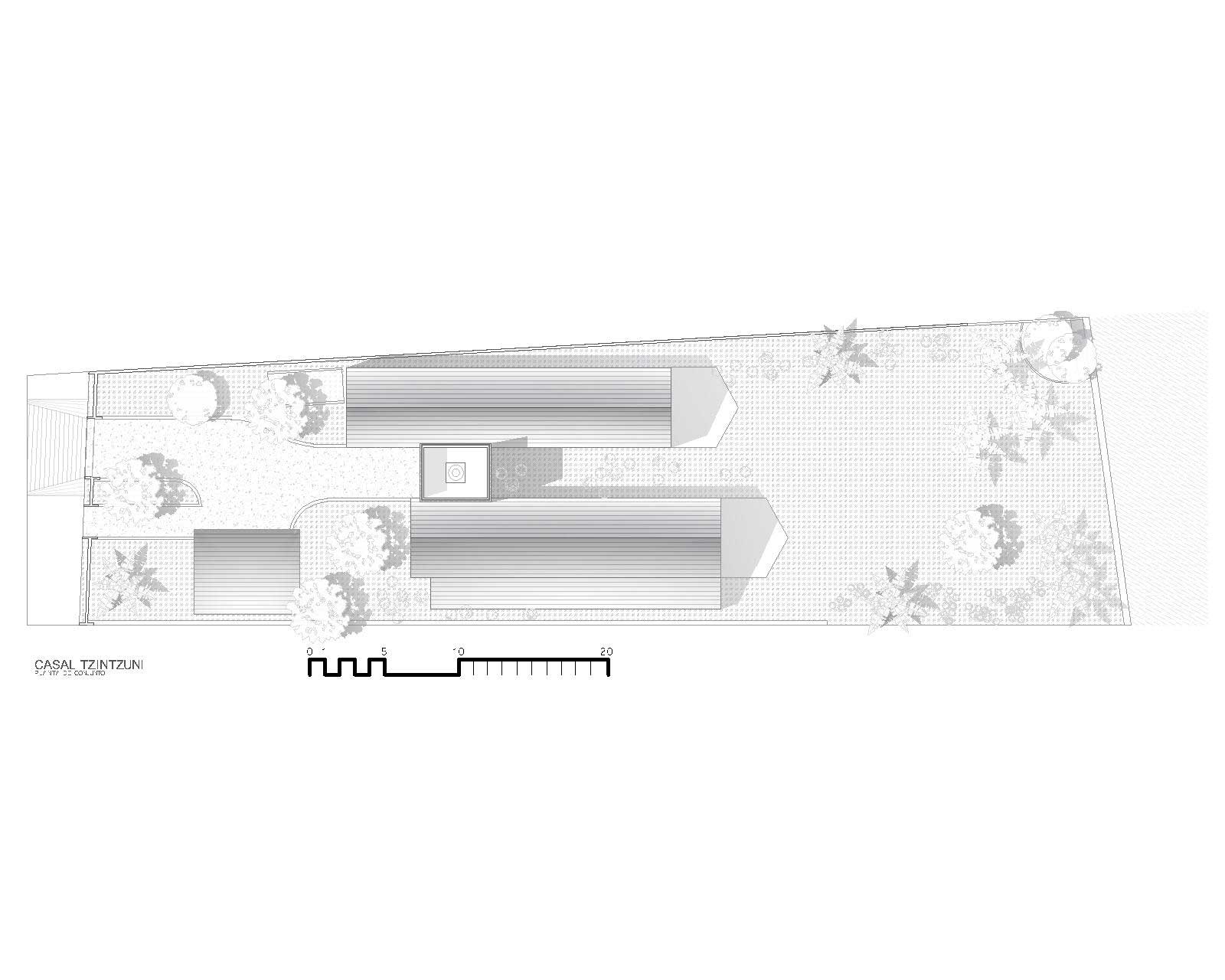
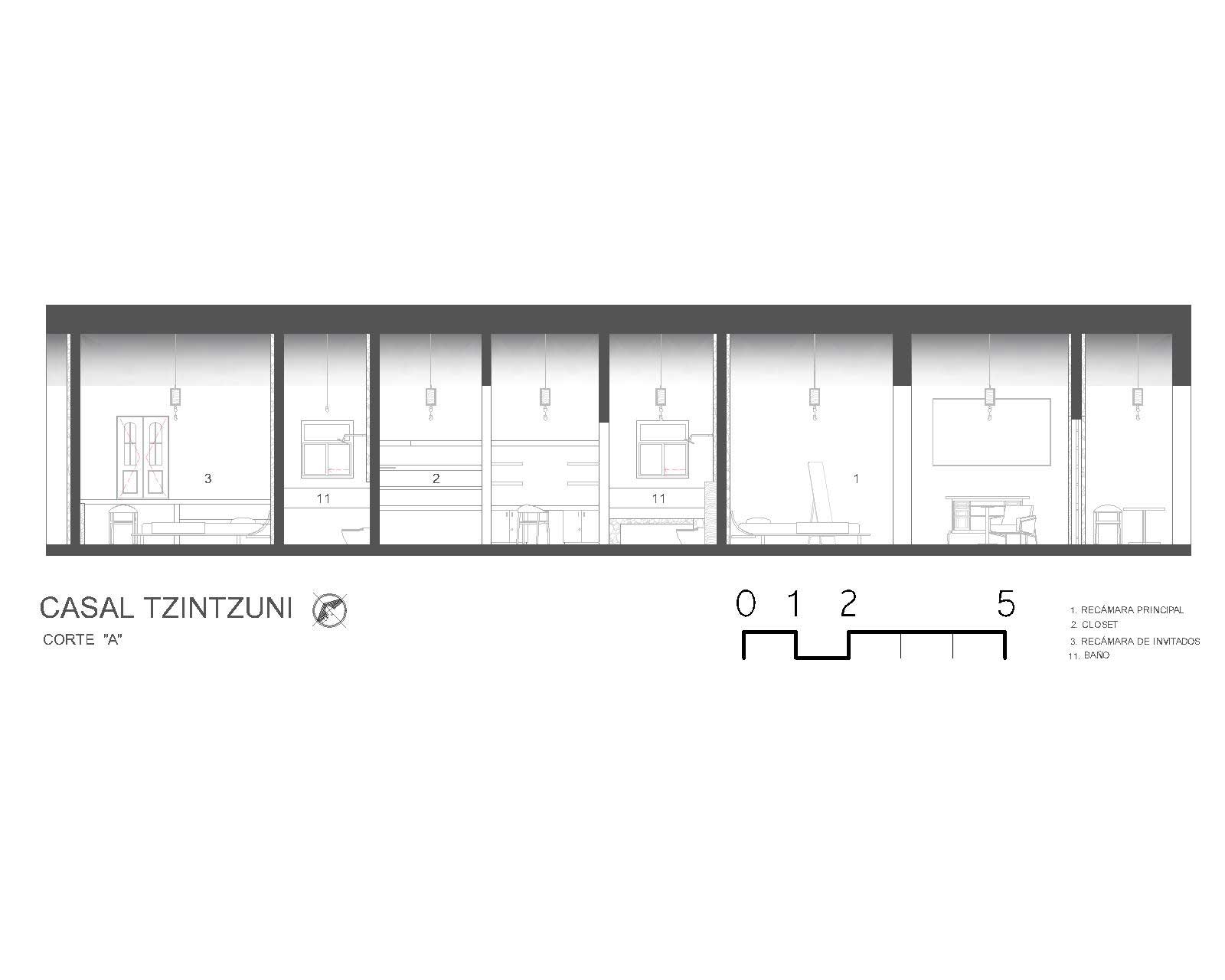
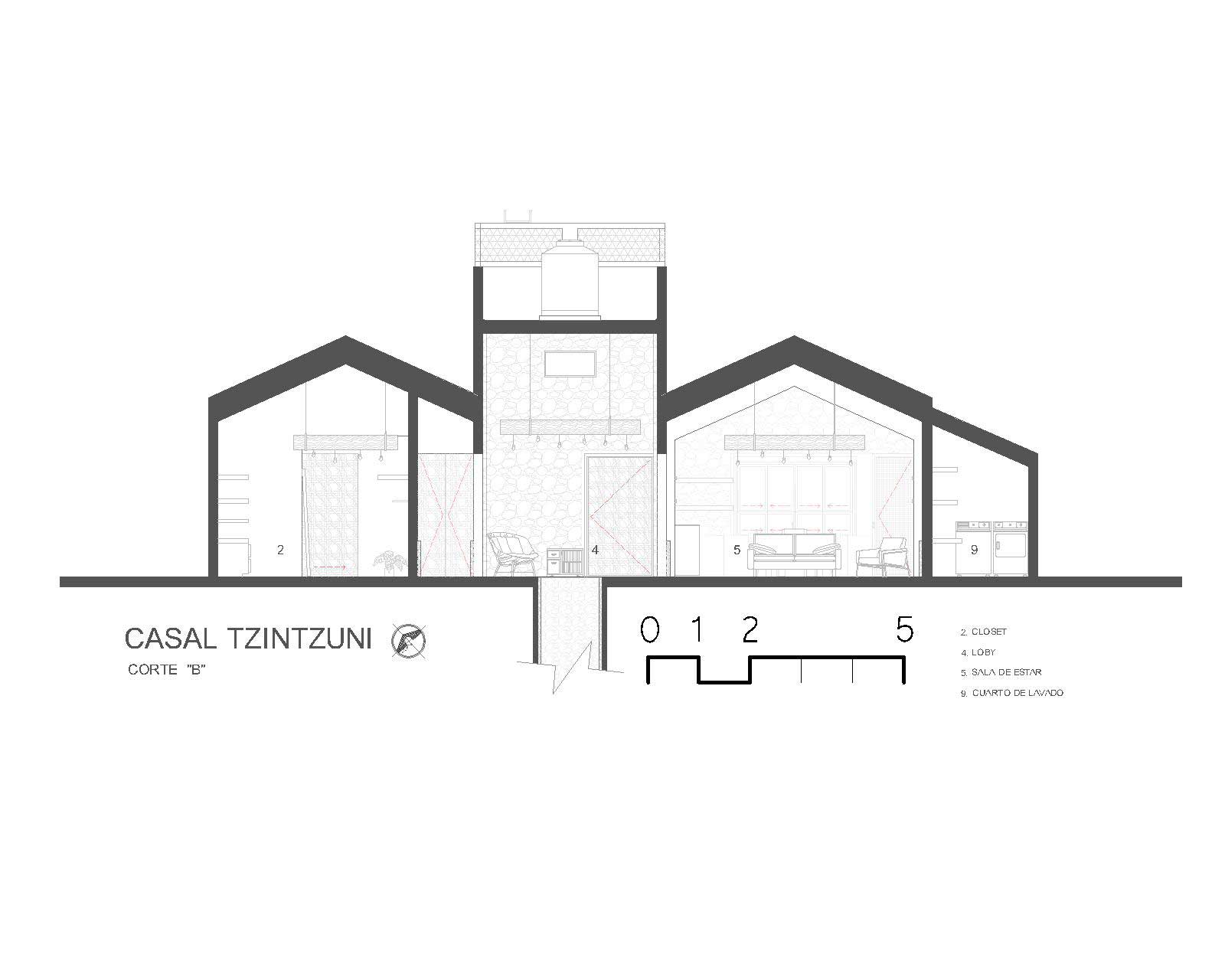
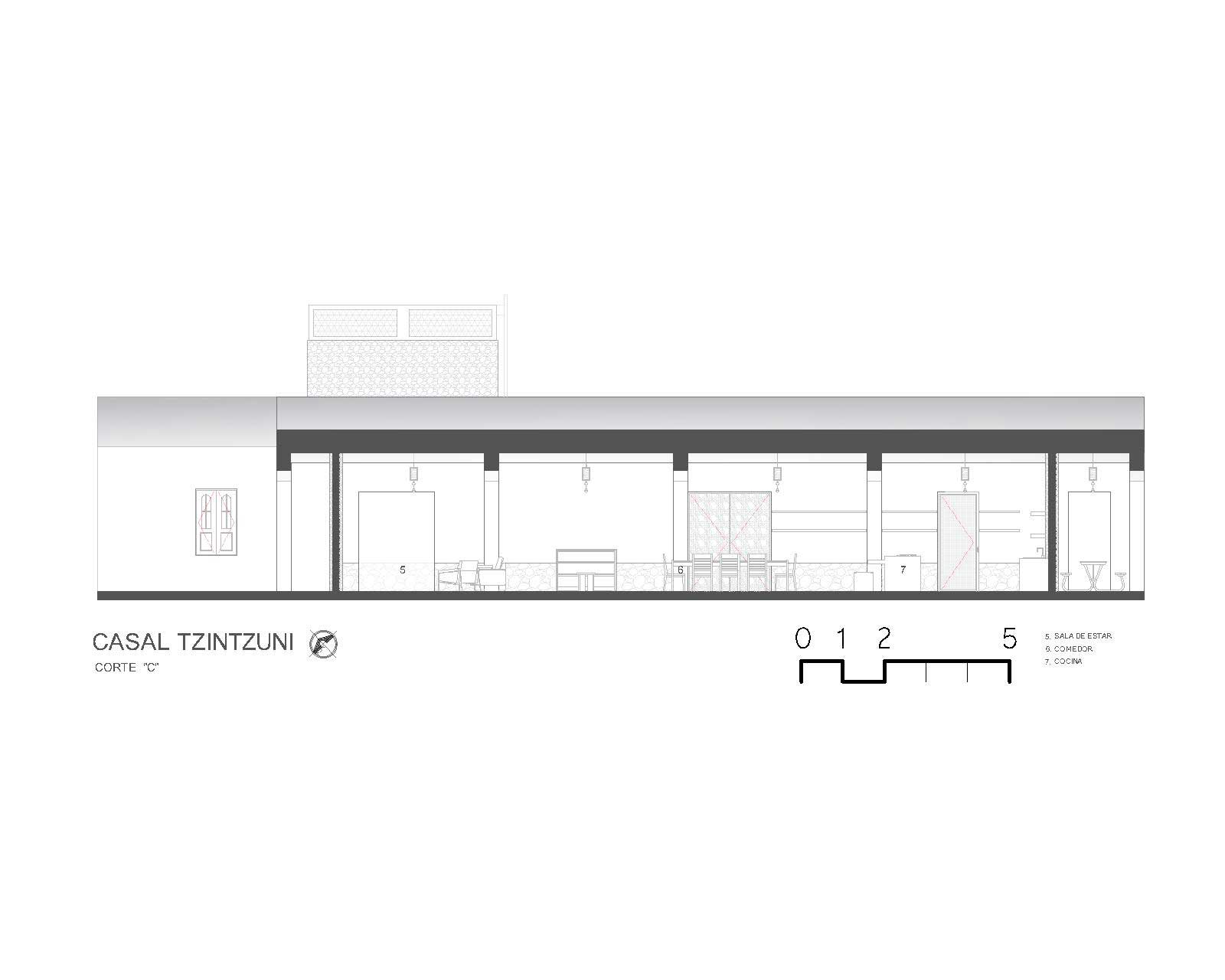
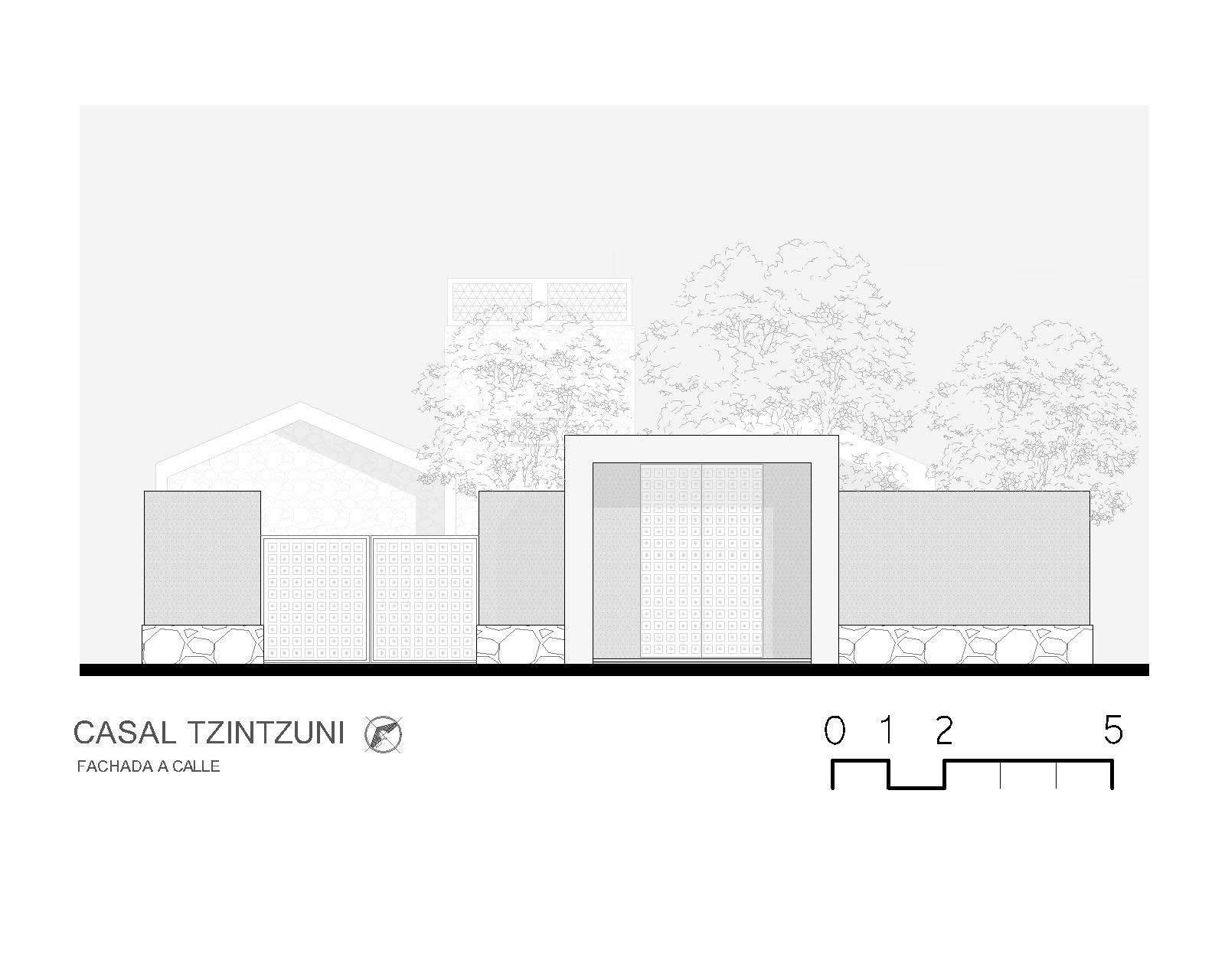
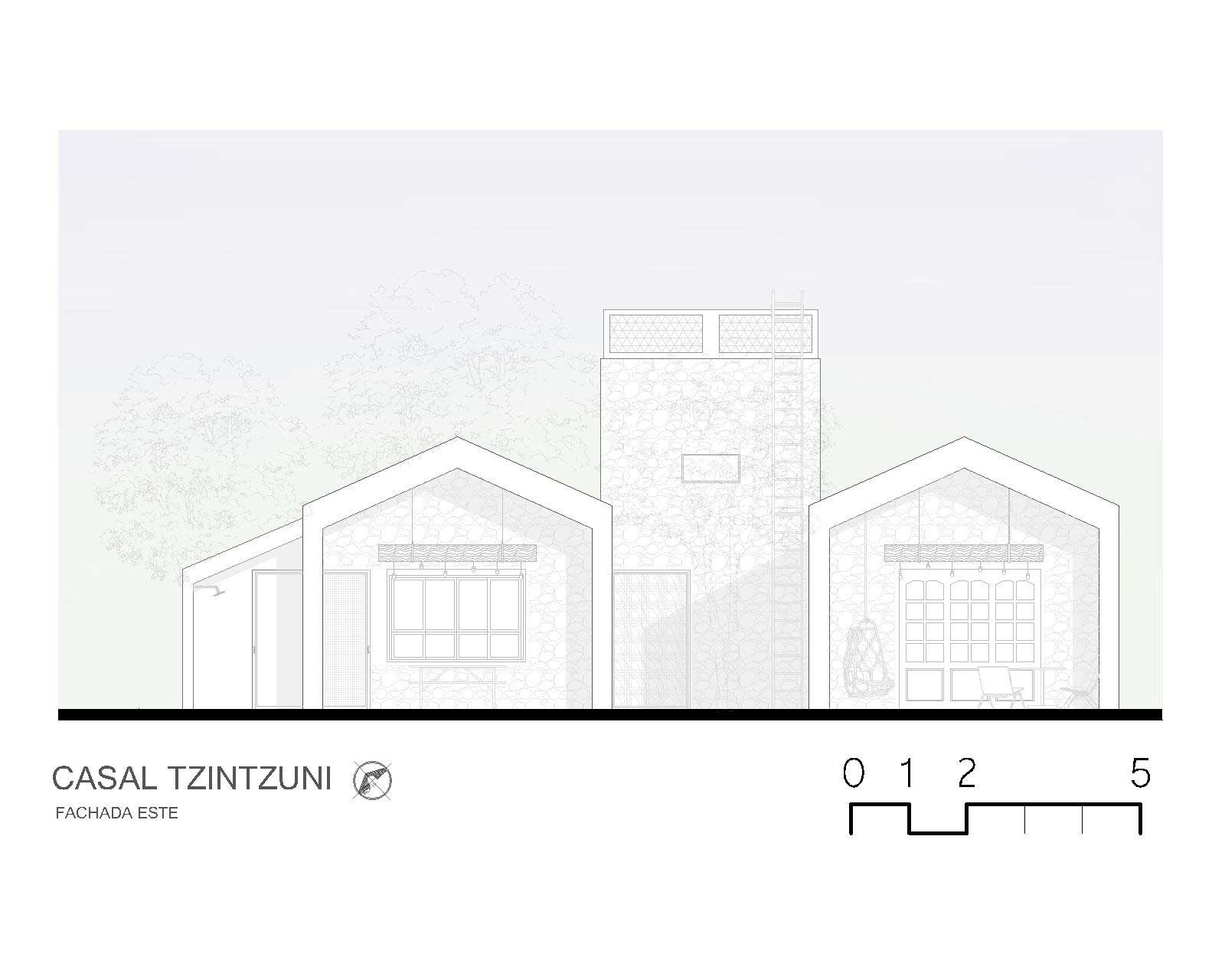
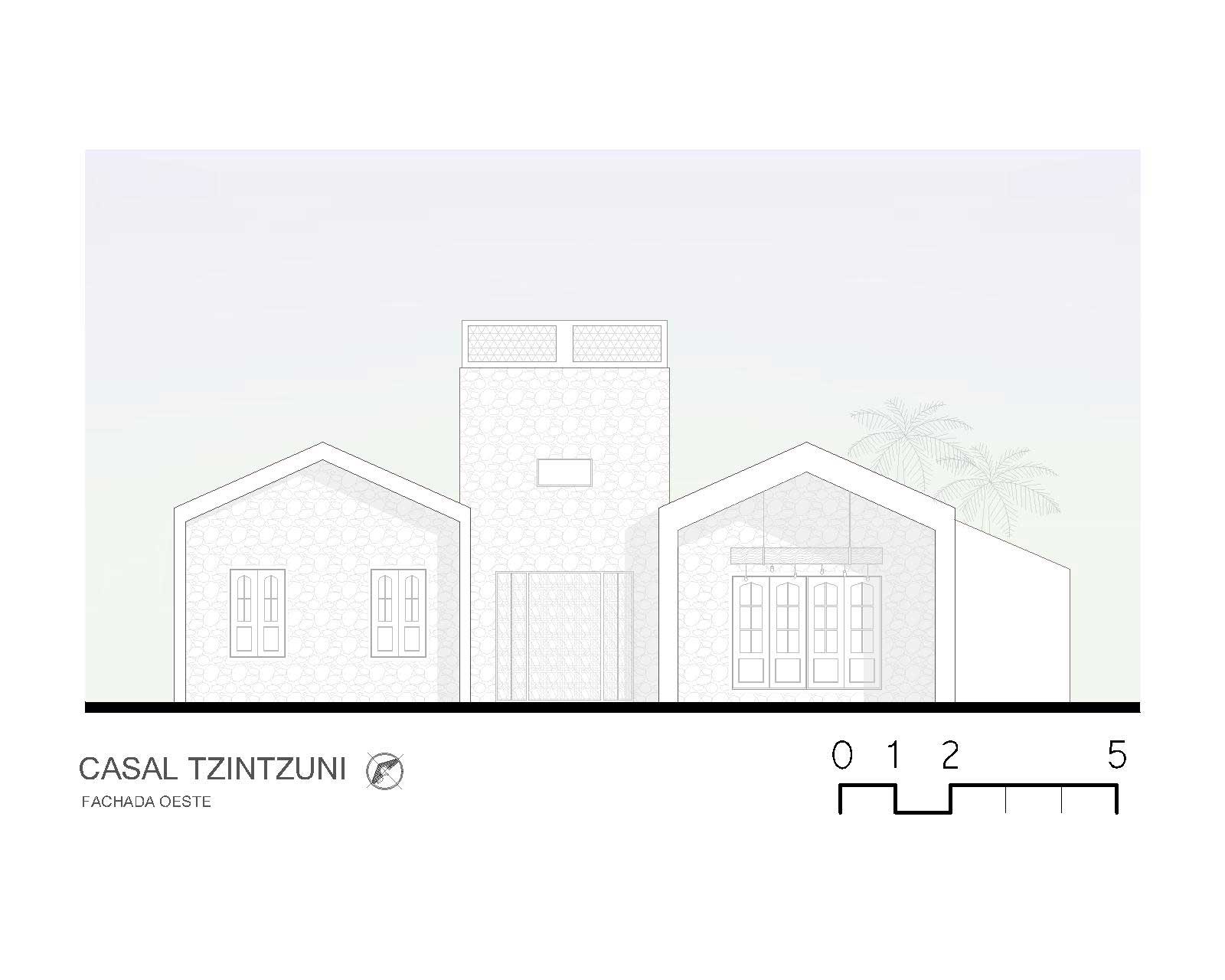
El conjunto se divide en dos naves: una destinada a la vida privada y otra al ámbito común, unidas por un volumen central que funge como vestíbulo. El acceso, enmarcado por un patio de grava, conduce al lobby donde un pozo preexistente se resguarda bajo un cristal templado. Un gesto que conecta el origen del terreno con la experiencia contemporánea de habitar.
Los espacios comunes
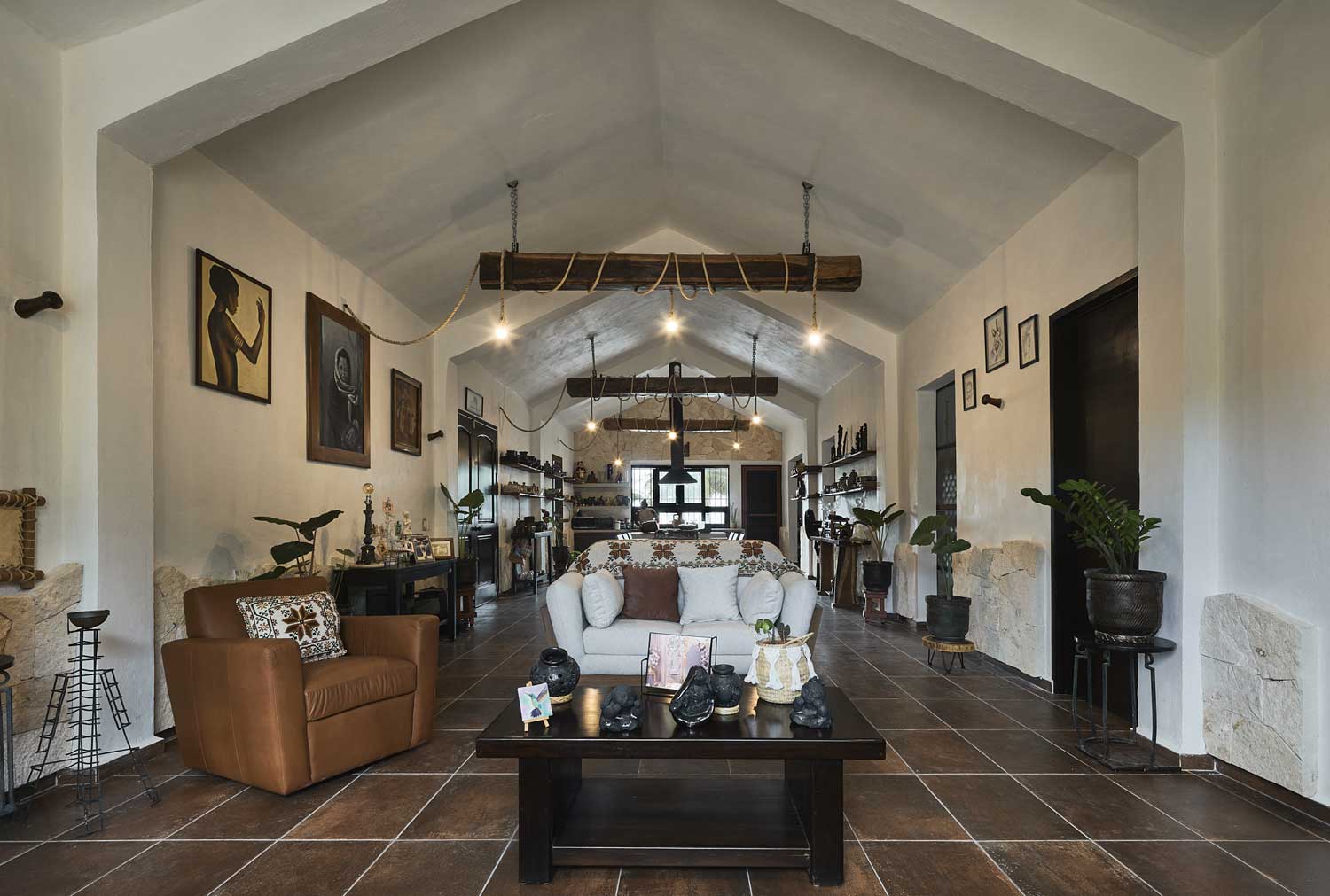
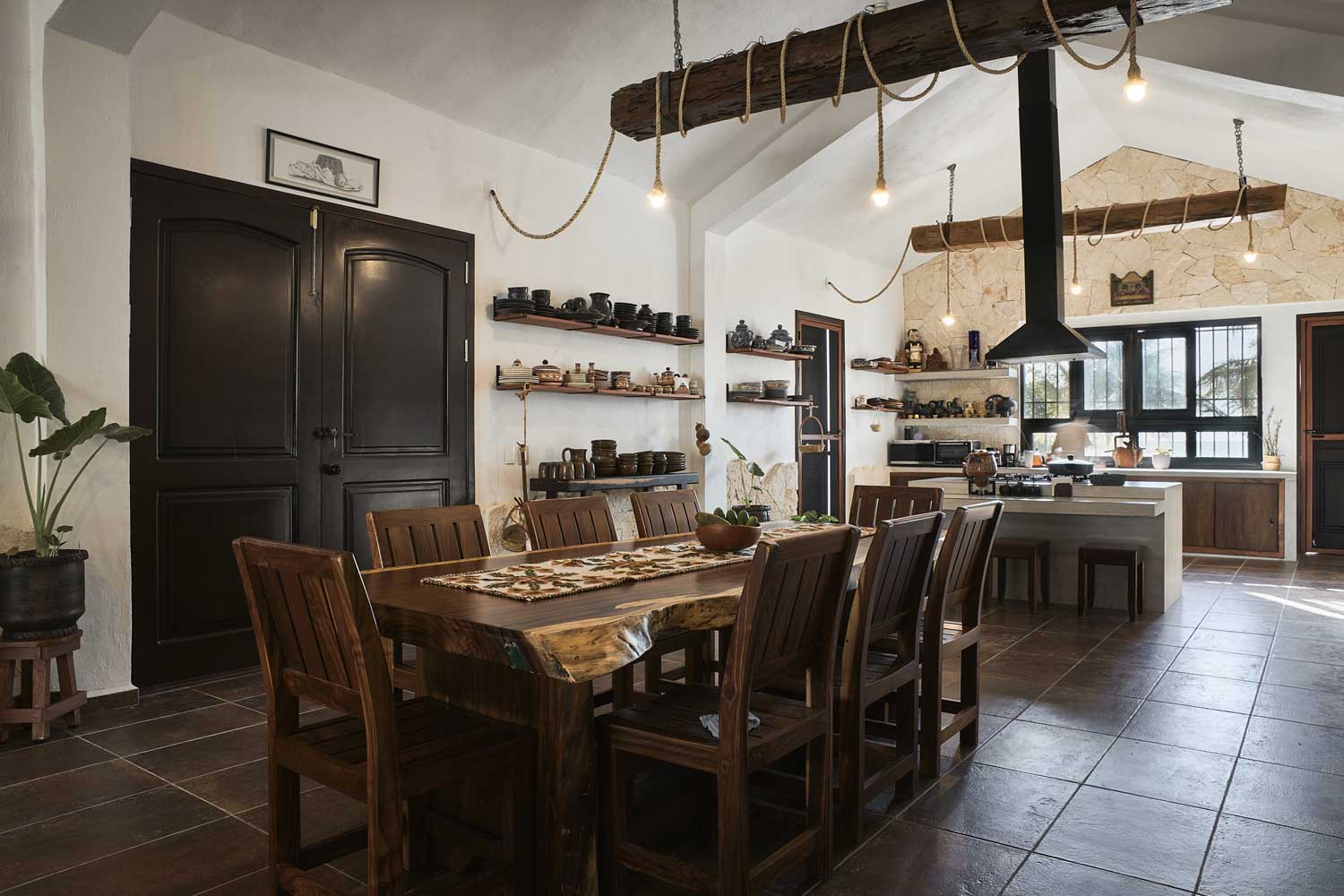
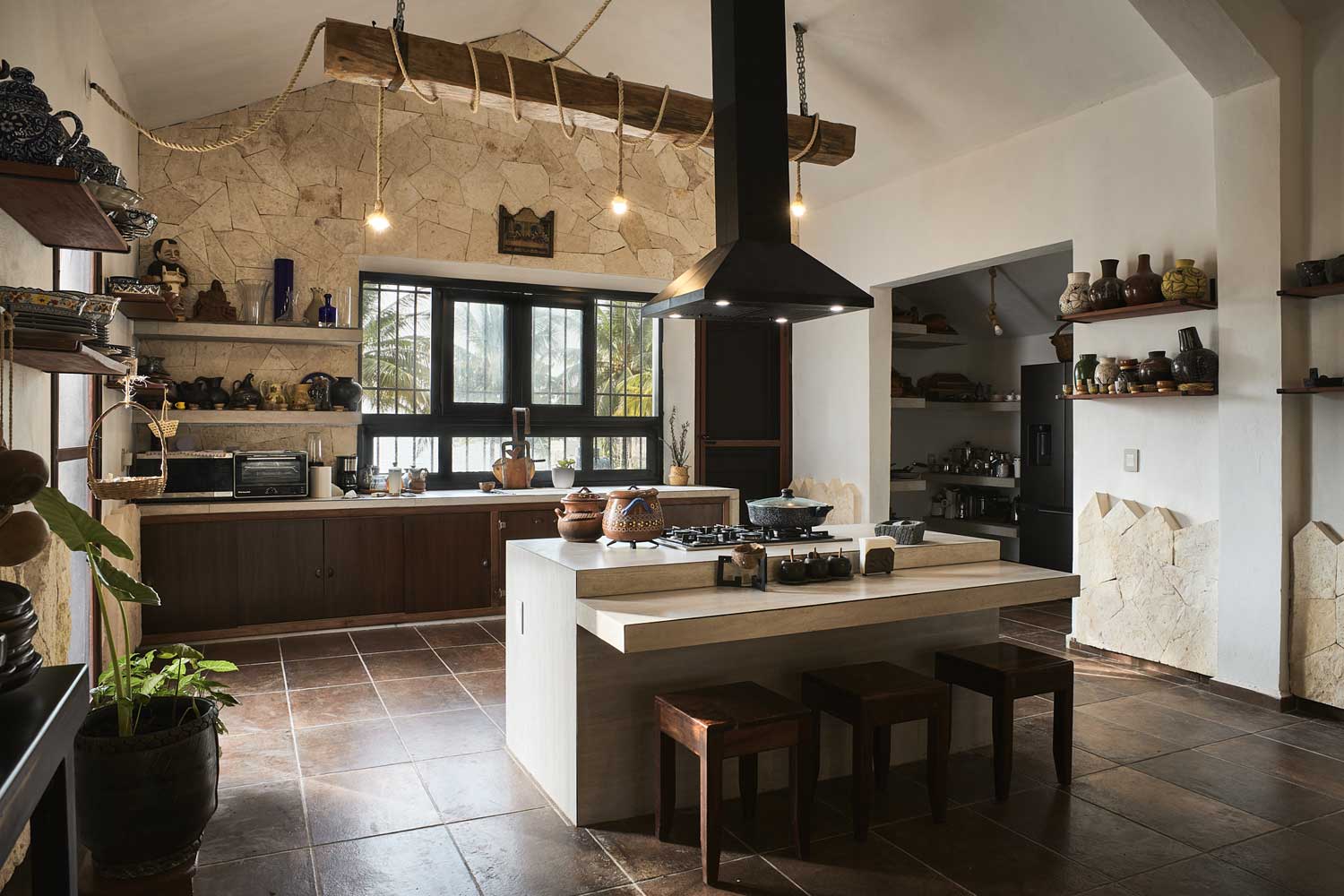
La nave de áreas sociales integra sala, cocina, comedor, alacena, medio baño, cava y área de lavado. Todos los ambientes se organizan con sencillez, reforzando la idea de eficiencia y convivencia.
Los materiales hablan del lugar: muros de piedra, acabados en blanco y madera, y una iluminación cálida que envuelve cada espacio. Aquí la arquitectura se entiende como un organismo vivo, donde cada elemento cumple una función pero también genera vínculos: reunir, compartir, cocinar, conversar.
Intimidad y carácter privado
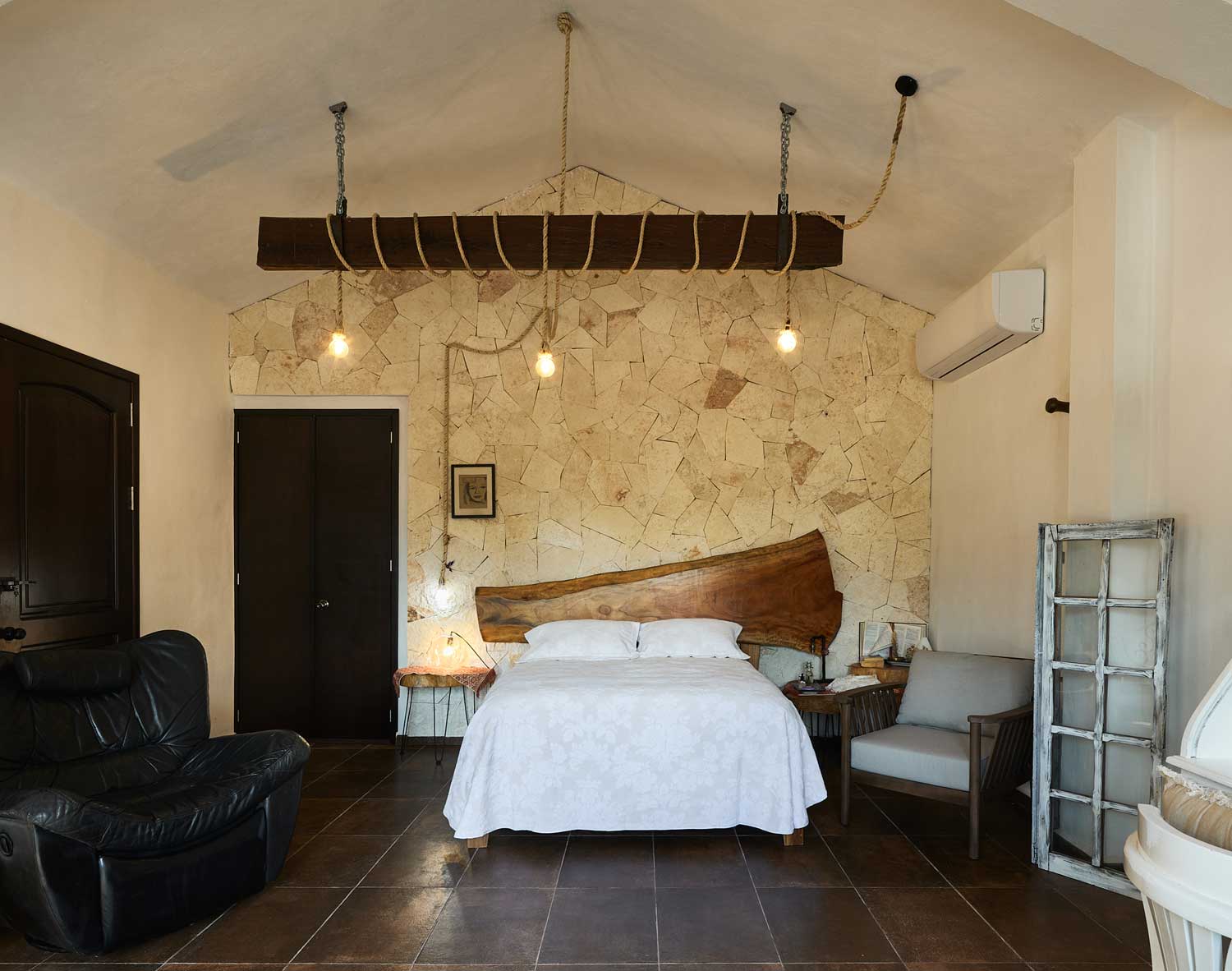
La nave privada está compuesta por la recámara principal con baño y vestidor, una habitación de invitados y un baño adicional. Espacios íntimos que mantienen coherencia con el lenguaje arquitectónico general, buscando serenidad y refugio.
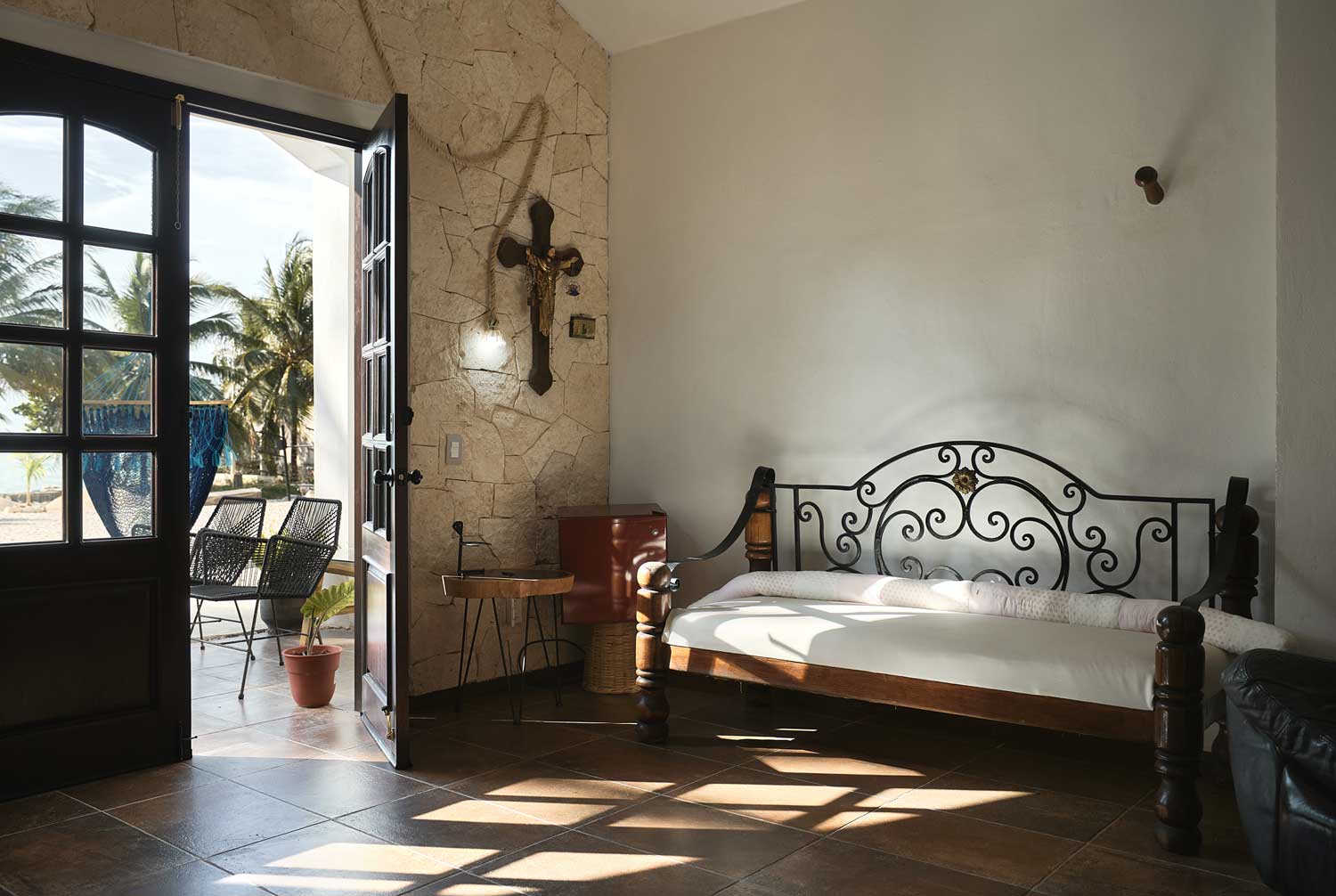
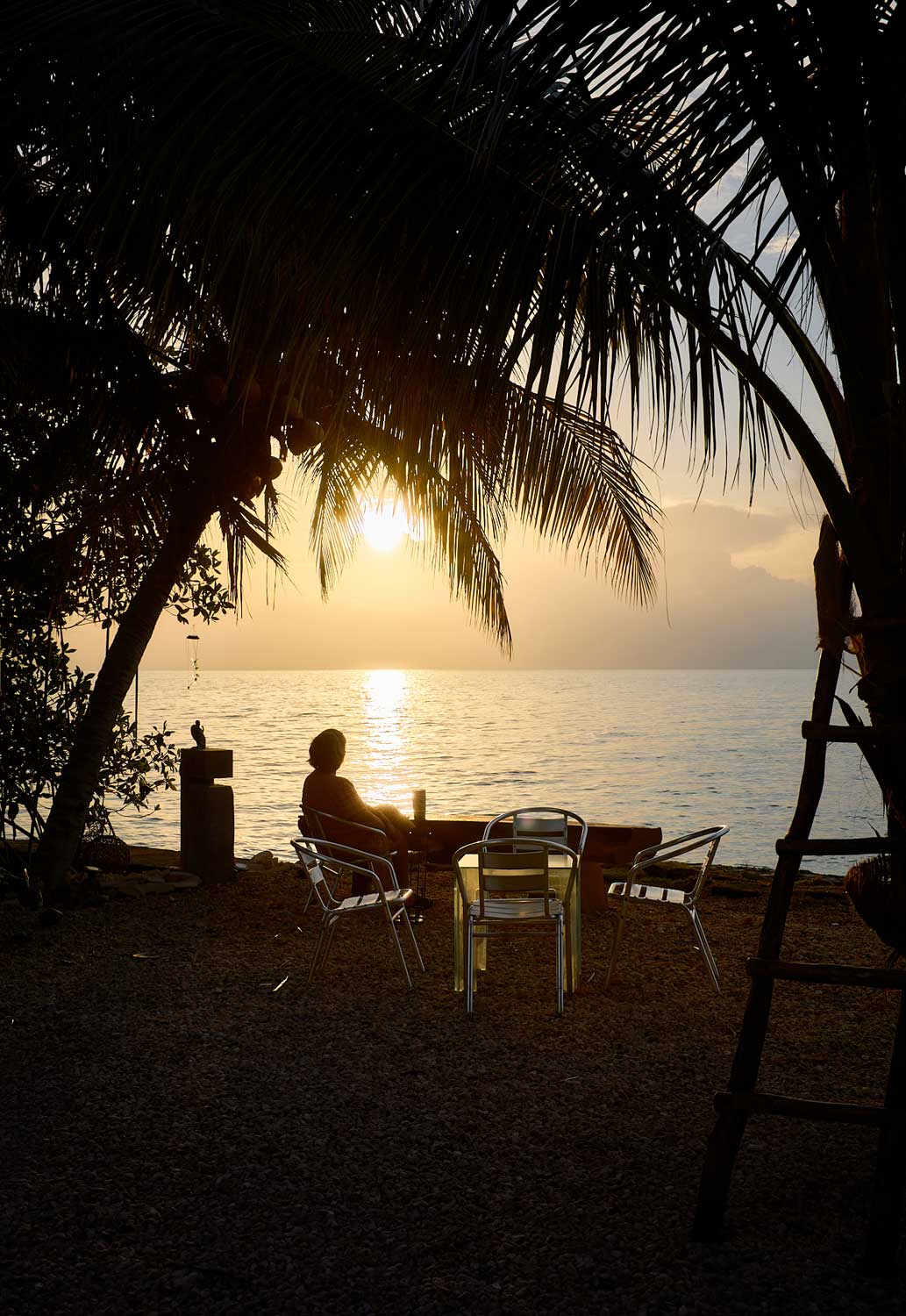
El lobby central, con su muro tapizado de cruces y el pozo iluminado, da un carácter simbólico al proyecto: memoria, espiritualidad y arraigo dialogan con lo cotidiano. Casal Tzintzuni es más que una casa: es un refugio contemporáneo frente al mar Caribe, donde arquitectura, contexto y vida se entrelazan.
Ficha técnica
Nombre: Casal Tzintzuni
Ubicación: Calderitas, Quintana Roo, México
Oficina de Arquitectura: Rumi Estudio
Arquitecto a cargo: Guillermo Rafael Ojeda Magdaleno
Superficie: 300 m2
Fotografías: Eduardo Loeza @eduardoloeza_ph
Instagram: @_rumimx
English version
The concept and the access
In Calderitas, Quintana Roo, Casal Tzintzuni rises as a 300 m2 project that embraces the principles of metabolist architecture: clear structures organized in modules that allow for a flexible life in constant adaptation.
The ensemble is divided into two wings: one dedicated to private life and the other to communal areas, both connected by a central volume that acts as a vestibule. The entrance, framed by a gravel courtyard, leads to a lobby where a pre-existing well is preserved beneath tempered glass, a gesture that links the site’s origin with the contemporary experience of inhabiting it.
The common spaces
The communal wing houses the living room, kitchen, dining area, pantry, half bath, wine cellar, and laundry space. Each environment is laid out with simplicity, reinforcing the idea of efficiency and togetherness.
The materials speak of the place itself: stone walls, white finishes, wood details, and warm lighting that embraces every corner. Here, architecture is understood as a living organism, where each element serves a purpose while also creating bonds: gathering, sharing, cooking, conversing
Intimacy and private spaces
The private wing includes the master bedroom with ensuite bath and walk-in closet, a guest bedroom, and an additional bathroom. Intimate spaces that maintain coherence with the overall architectural language, seeking serenity and retreat.
At the heart of the project, the lobby -lined with walls of crosses and anchored by the illuminated well- adds a symbolic dimension: memory, spirituality, and rootedness intertwined with daily life. Casal Tzintzuni is more than a house; it is a contemporary refuge facing the Caribbean Sea, where architecture, context, and life converge.